Latest Kambi Kathakal -
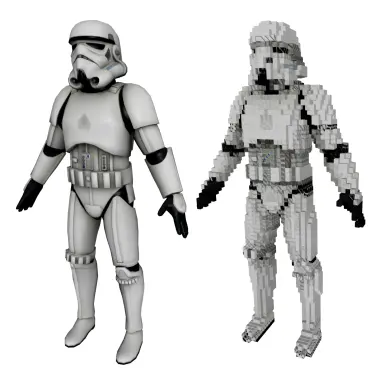
Use our free and fast online tool to convert your VSDX (Microsoft Visio) image or logo into 3D OBJ (Wavefront) mesh/model files suitable for printing with a 3D printer or for loading into your favorite 3D editing package.
Use our free and fast online tool to convert your VSDX (Microsoft Visio) image or logo into 3D OBJ (Wavefront) mesh/model files suitable for printing with a 3D printer or for loading into your favorite 3D editing package.
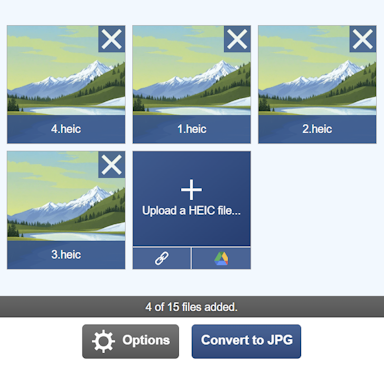
Here are three simple steps to create an OBJ file from a VSDX file.
Kambi Kathakal, also known as tent story or canvas story, is a traditional form of storytelling in Kerala, India. It involves the use of a canvas or a tent-like structure with pictures or scenes painted on it, which are then narrated to an audience. This art form has been an integral part of Kerala's cultural heritage for centuries. In recent times, Kambi Kathakal has undergone significant changes to adapt to modern technology and audience preferences. This paper aims to explore the latest developments and trends in Kambi Kathakal.
The latest developments in Kambi Kathakal reflect the art form's ability to adapt and evolve in response to changing times. While challenges persist, the opportunities for innovation, experimentation, and preservation of cultural heritage are significant. As Kambi Kathakal continues to evolve, it is essential to document and preserve its history, techniques, and cultural significance for future generations.
Kambi Kathakal has its roots in the 16th century, when it was used as a means of entertainment and education for rural communities. The traditional form of Kambi Kathakal involved a wooden frame with a canvas or cloth stretched over it, on which scenes from mythology, folklore, and everyday life were painted. The stories were narrated by a "Kambi Katha" artist, who would use a stick to point to the different scenes on the canvas.
Over the years, Kambi Kathakal has evolved significantly. With the advent of modern technology, digital tools and software have been incorporated into the art form. Today, Kambi Kathakal artists use digital platforms to create and showcase their stories.
| Extension | VSDX |
| Full Name | Microsoft Visio |
| Type | Vector |
| Mime Type | application/octet-stream |
| Format | Binary |
| Tools | VSDX Converters, VSDX Viewer |
| Open With | Inkscape |
The VSDX format is the official file format used by Microsoft Visio, an application specializing in creating floor plans, flow charts, organization charts, and other vector-based charts.
The format has been around since the early 1990s, and like other Microsoft applications, VSDX files have evolved over the years. VSDX files can be opened in Microsoft Visio, and many other vector-based programs offer support for importing VSDX files for editing. latest kambi kathakal
| Extension | OBJ |
| Full Name | Wavefront |
| Type | 3D Model |
| Mime Type | text/plain |
| Format | Text |
| Tools | OBJ Converters, 3D Model Voxelizer, Create OBJ Animation, Compress OBJ, OBJ Asset Extractor, Text to OBJ, OBJ Viewer |
| Open With | Daz Studio, MeshLab, CAD Assistant |
The OBJ file format, originally created by Wavefront Technologies and later adopted by many other 3D software vendors, is a simple text-based file format for describing 3D models/geometry. This data can include vertices, faces, normals, texture coordinates, and references to external texture files. Kambi Kathakal, also known as tent story or
As the format is text-based, it is relatively straightforward to parse in 3D modeling applications. A downside of the text-based format is that the files can be rather large compared to similar binary formats such as STL and compressed files such as 3MF. In recent times, Kambi Kathakal has undergone significant
Our tool will save any material and texture files separately; these additional files will be included with your final OBJ file at the time of download.
Kambi Kathakal, also known as tent story or canvas story, is a traditional form of storytelling in Kerala, India. It involves the use of a canvas or a tent-like structure with pictures or scenes painted on it, which are then narrated to an audience. This art form has been an integral part of Kerala's cultural heritage for centuries. In recent times, Kambi Kathakal has undergone significant changes to adapt to modern technology and audience preferences. This paper aims to explore the latest developments and trends in Kambi Kathakal.
The latest developments in Kambi Kathakal reflect the art form's ability to adapt and evolve in response to changing times. While challenges persist, the opportunities for innovation, experimentation, and preservation of cultural heritage are significant. As Kambi Kathakal continues to evolve, it is essential to document and preserve its history, techniques, and cultural significance for future generations.
Kambi Kathakal has its roots in the 16th century, when it was used as a means of entertainment and education for rural communities. The traditional form of Kambi Kathakal involved a wooden frame with a canvas or cloth stretched over it, on which scenes from mythology, folklore, and everyday life were painted. The stories were narrated by a "Kambi Katha" artist, who would use a stick to point to the different scenes on the canvas.
Over the years, Kambi Kathakal has evolved significantly. With the advent of modern technology, digital tools and software have been incorporated into the art form. Today, Kambi Kathakal artists use digital platforms to create and showcase their stories.
© 2026 ImageToStl. Convert your PNG and JPG Files to 3D STL files.