




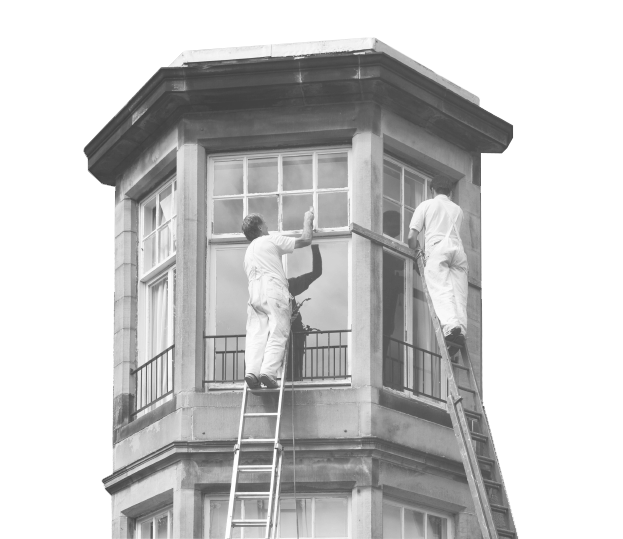
Window Medics is your one stop window shop
Call us today for a free consultation with one of our highly trained field representatives. Decide for yourself if it's time to Defog, Replace Your Glass or Completely Change Your Windows & Doors.
In doing so, the protagonist achieves a silent, devastating moral victory. He demonstrates that the Hero’s power and charisma are irrelevant to true heroism. He proves that loyalty, resilience, and a will unbroken by betrayal are rarer and more valuable than any divine blessing. The companions who left for the Hero may one day realize they traded genuine substance for glittering illusion. But by then, the protagonist will have moved on, no longer caring for their validation. He fights not for their return, but for his own sake—and that is the ultimate refutation of the NTR premise. Yuusha ni Minna Netorareta kedo Akiramezu ni Tatakao is more than a shocking light novel title; it is a thematic rebuttal to the cynical despair that often accompanies betrayal narratives. It argues that while one cannot control the actions of others—not even a “Hero”—one can always control the decision to persist. The protagonist’s journey is not about winning back love or exacting revenge; it is about the quiet, heroic act of refusing to let someone else’s betrayal write the ending of your story. In a genre often defined by helpless anguish, this premise offers a rare, bracing dose of agency: the ember that refuses to be extinguished, fighting on not in spite of the darkness, but because the darkness has made the value of its own light undeniable.
Below is an essay exploring the thematic implications, character psychology, and narrative innovation of this premise. In the vast landscape of Japanese fantasy fiction, two archetypes have long stood as immutable pillars: the Hero ( Yuusha ), blessed by destiny and righteousness, and the supporting companion, often the unsung backbone of the quest. The title Yuusha ni Minna Netorareta kedo Akiramezu ni Tatakao (“Everyone Was Taken by the Hero, But I Won’t Give Up; Let’s Fight”) violently collides these archetypes. It presents a scenario of profound personal apocalypse—romantic and social betrayal by the very symbol of good—yet makes the radical proposition that the victim can, and should, continue fighting. This premise is not merely a revenge fantasy; it is a philosophical treatise on the nature of agency, the redefinition of victory, and the indomitable will to find meaning after one’s world has been systematically dismantled. The Anatomy of a Double Betrayal To understand the protagonist’s resolve, one must first appreciate the depth of his loss. The netorare genre typically derives its anguish from the gradual, often consensual alienation of a loved one to a rival. Here, the betrayal is compounded by two factors. First, the rival is not a villain but the Hero —the moral center of the universe, whose actions are presumed virtuous. This transforms the betrayal from a personal wound into an existential one: if the Hero can commit such emotional atrocities, then the very framework of “good versus evil” collapses. Second, the loss is total: “minna” (everyone). It is not one lover, but the entire party—the healer, the mage, the childhood friend, perhaps even the mascot character. The protagonist is left not just heartbroken, but cosmically alone, stripped of both his social support system and his belief in narrative justice. The Futility of Revenge as a First Response Conventional genre logic would demand a dark turn: the betrayed protagonist becomes a Demon Lord, seeking bloody revenge. The title explicitly rejects this by insisting on continuing to “fight” ( tatakau ). Why? Because revenge is a reaction; it allows the betrayer (the Hero) to remain the protagonist of the story. A quest for revenge says, “My actions are defined by your past transgression.” The protagonist of this narrative, however, chooses a far more difficult path: indifference to the betrayers’ existence . By continuing to fight—presumably against the actual demon lord, or for the sake of the world—he reclaims his own narrative autonomy. He refuses to grant the Hero and the traitorous companions the privilege of being the center of his motivation. His fight is no longer against them, but for something they cannot touch: his own integrity and purpose. The Psychology of Radical Akiramezu The key word in the title is akiramezu —without giving up. In Japanese culture, akirameru (諦める) carries a weight of accepting a harsh reality with serene resignation. To not give up, therefore, is not mere stubbornness; it is an active rejection of despair as a final state. The protagonist has likely accepted the facts—they are gone, the love is dead, the Hero is a fraud. This is not denial. Rather, it is a form of radical acceptance coupled with forward momentum. He acknowledges the NTR as a completed, irreversible event, yet refuses to let it be the final chapter of his life. This mirrors therapeutic concepts like post-traumatic growth, where trauma becomes a catalyst for a new, more resilient identity, not a permanent prison. Redefining Victory: The Silent Triumph What does victory look like for this protagonist? It cannot be reclaiming the companions, as they have chosen the Hero. It cannot be defeating the Hero in combat, as that would still center the narrative on him. True victory is more subtle and profound. It is completing the quest the Hero abandoned due to his own lust and pettiness. It is saving the world not with righteous fury, but with quiet, grinding perseverance. It is arriving at the final battle against the Demon Lord alone, battered, and unfamous—and winning. yuusha ni minna netoraretakedo akiramezu ni tatakao
This is a fascinating and deeply nuanced topic. The Japanese light novel title Yuusha ni Minna Netorareta kedo Akiramezu ni Tatakao (勇者にみんな寝取られたけど諦めずに戦おう), which roughly translates to presents a narrative paradox that subverts both traditional RPG tropes and the darker conventions of the netorare (NTR) genre. In doing so, the protagonist achieves a silent,

Window Medics is your one stop window shop
Call us today for a free consultation with one of our highly trained field representatives. Decide for yourself if it's time to Defog, Replace Your Glass or Completely Change Your Windows & Doors.