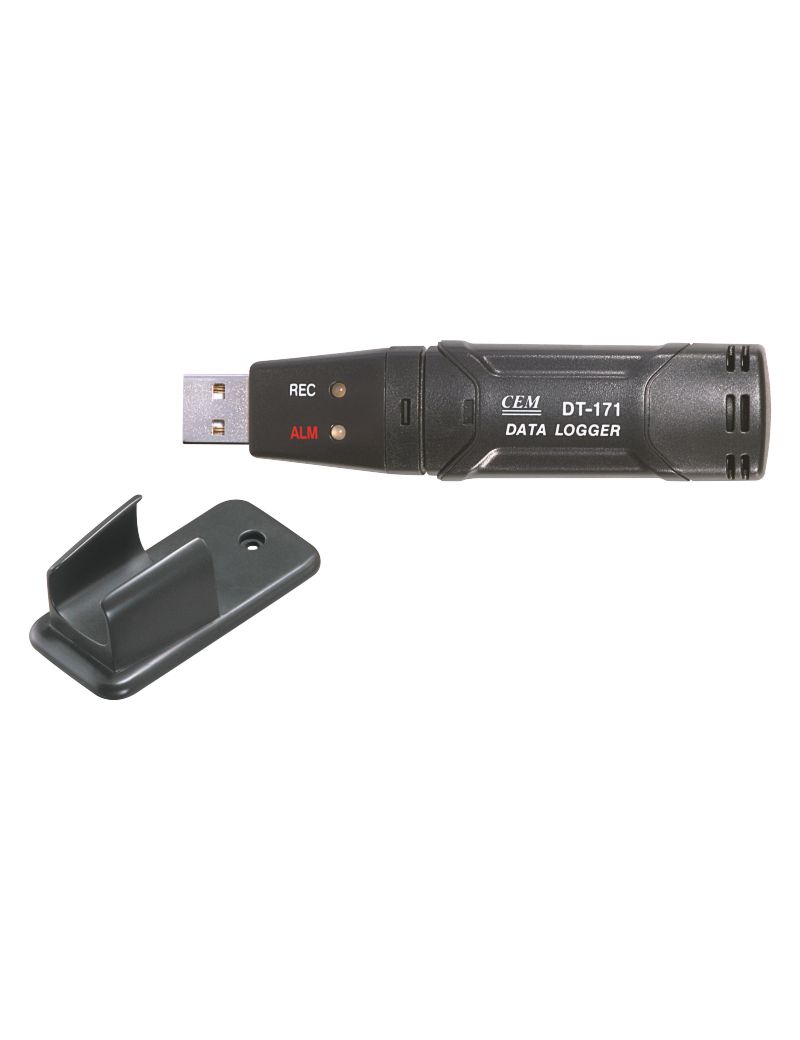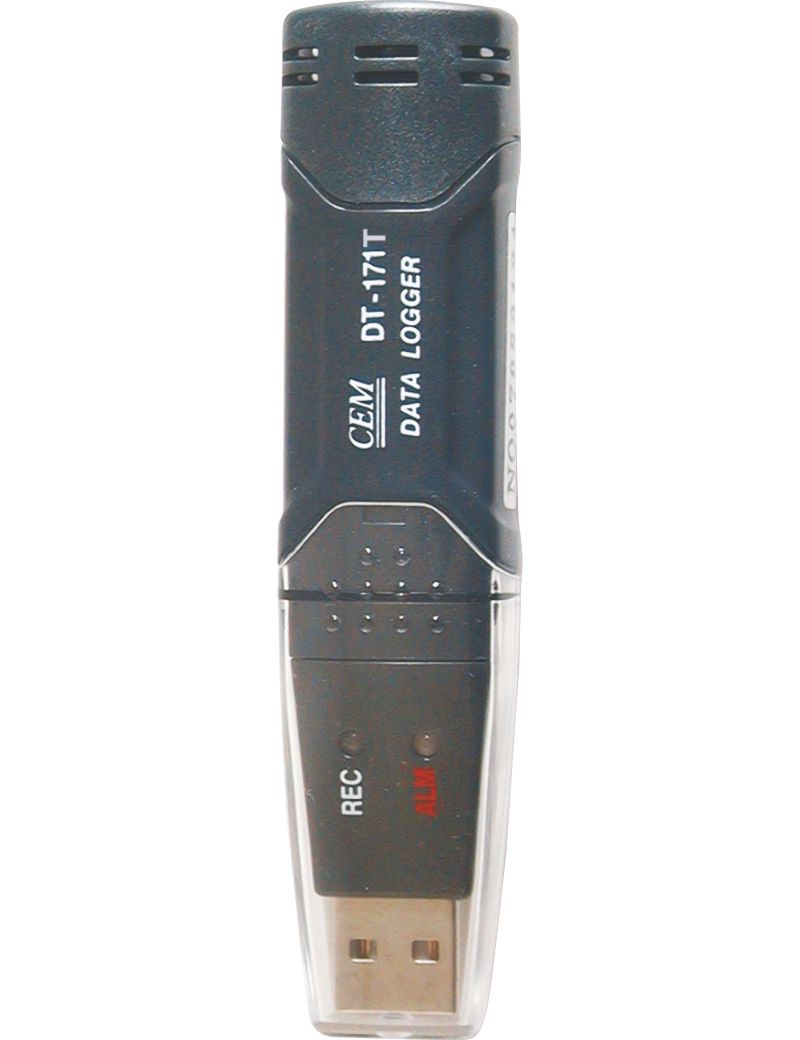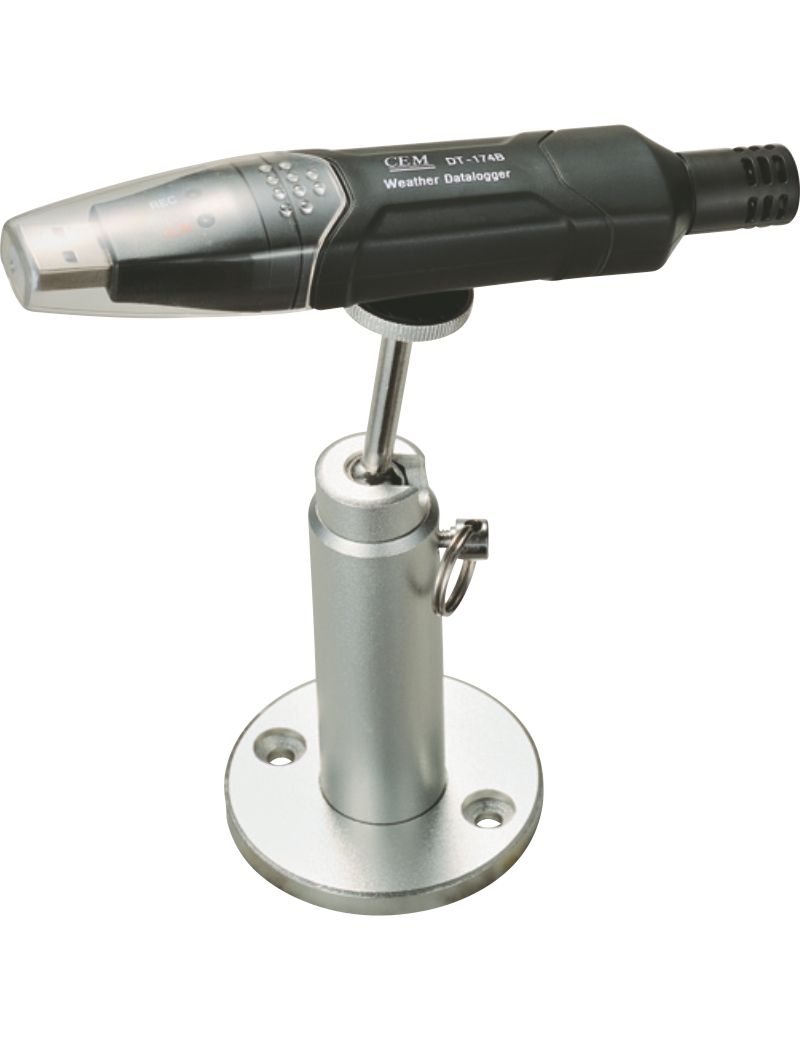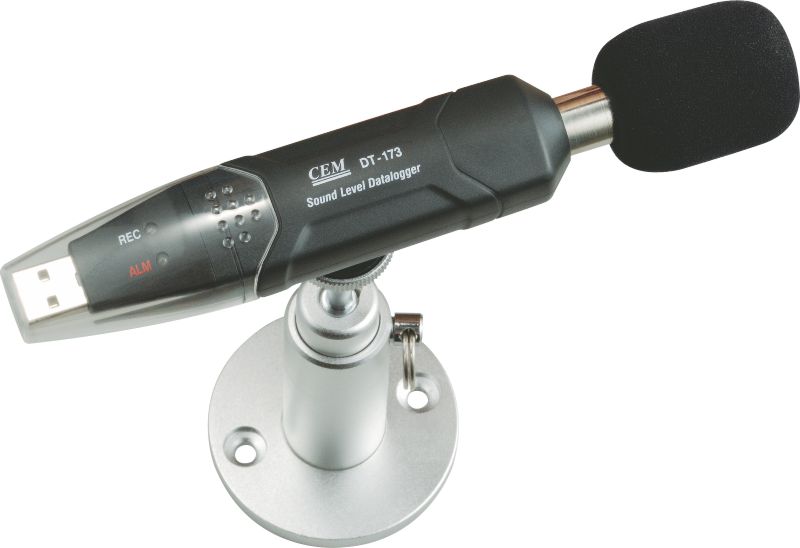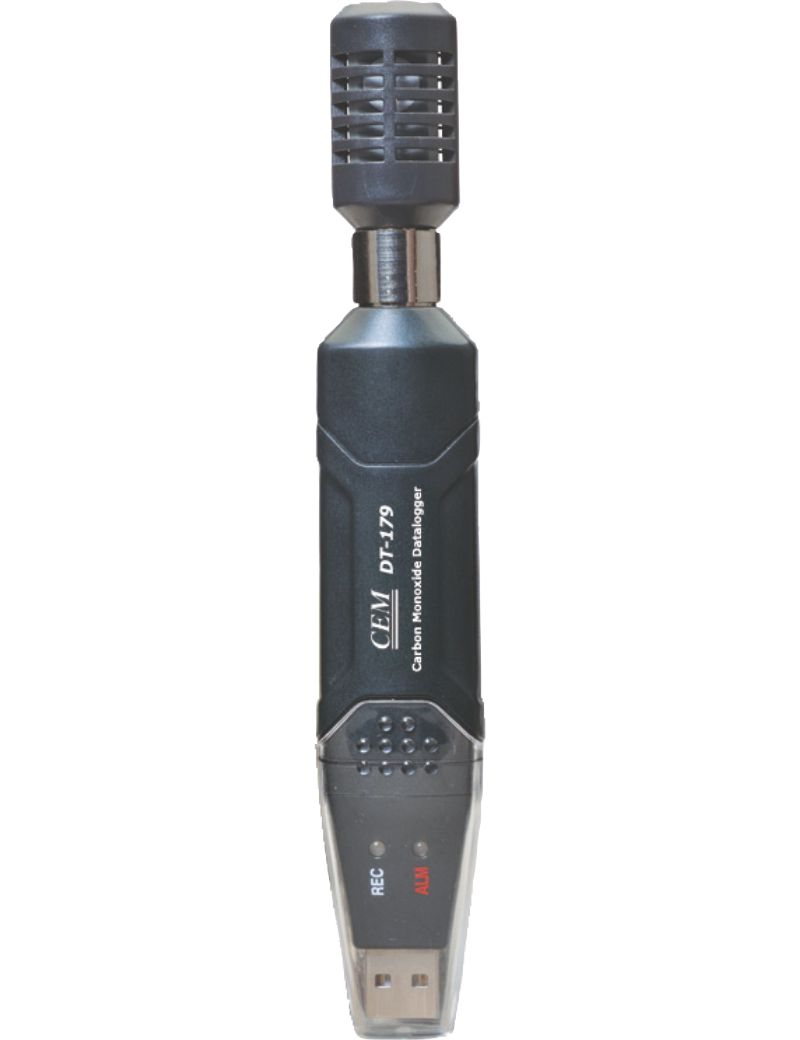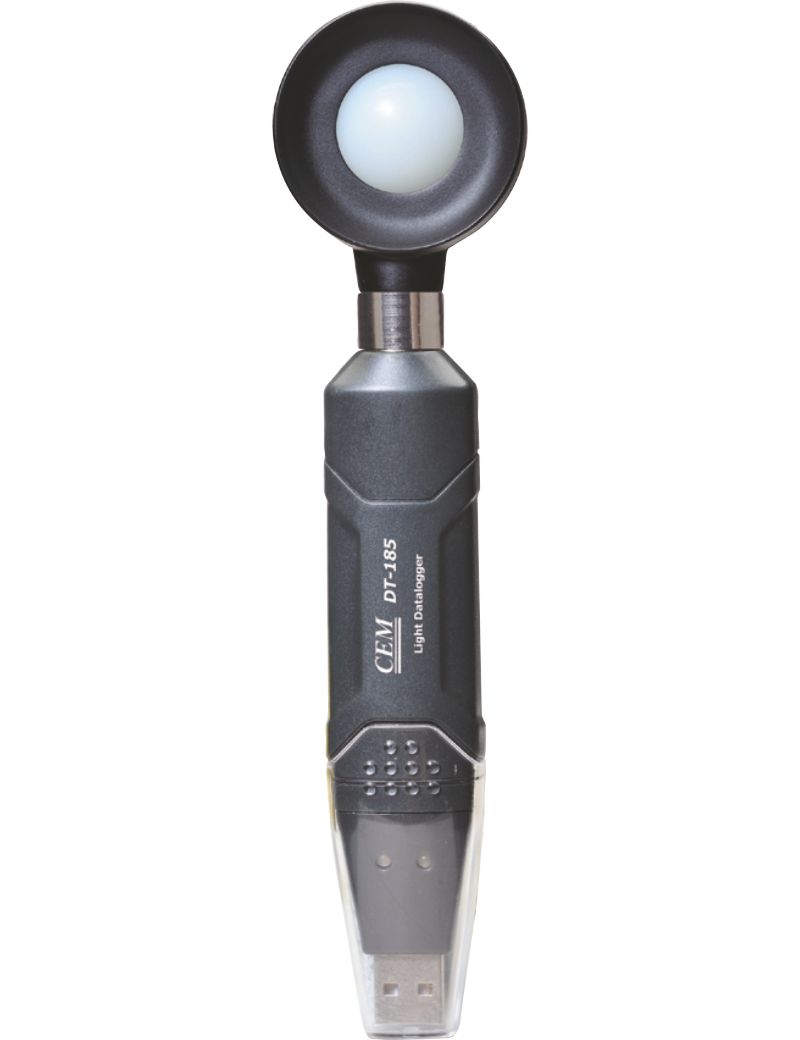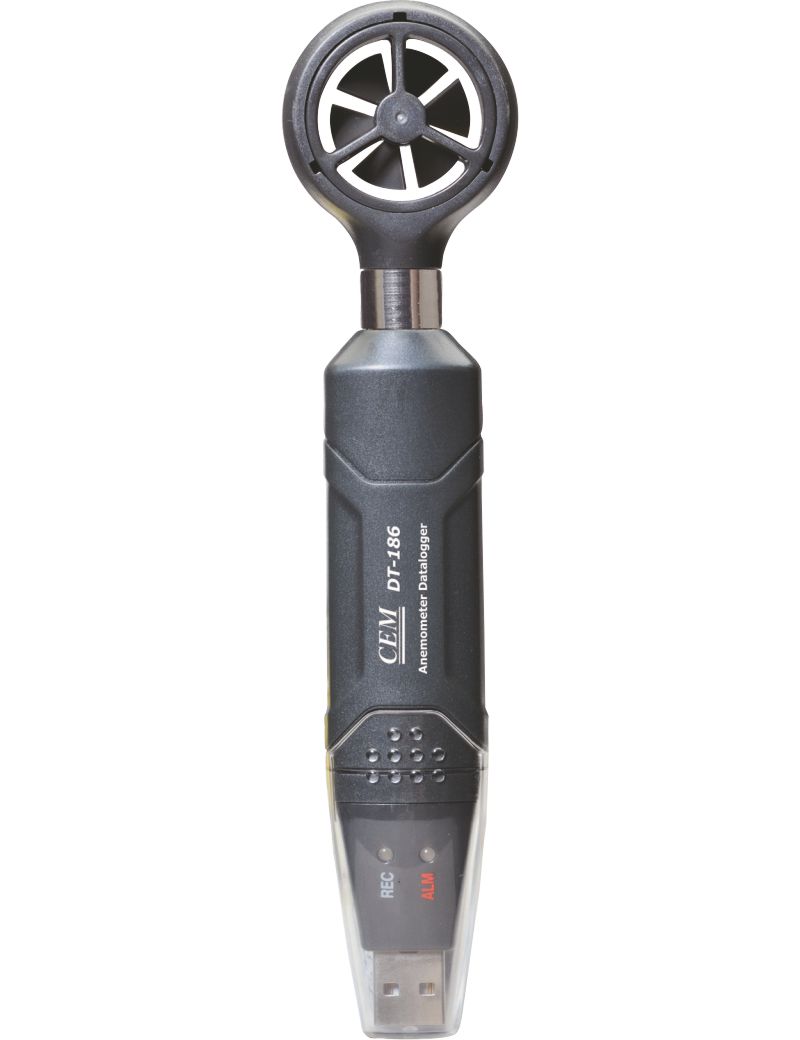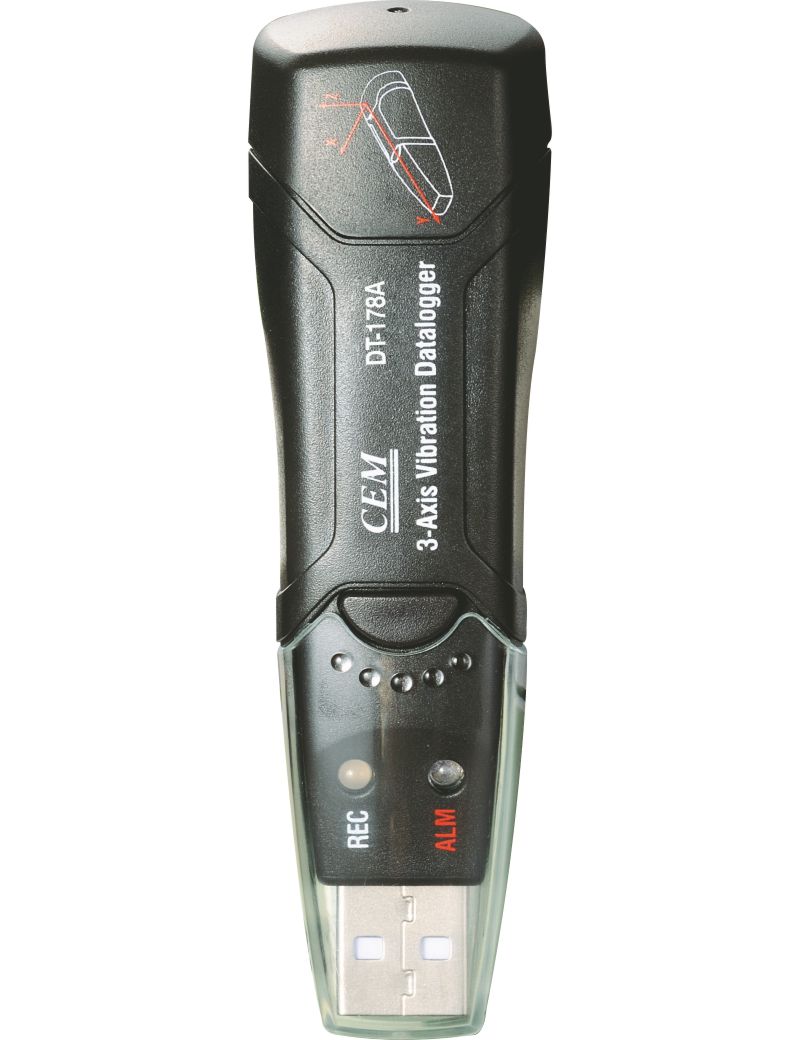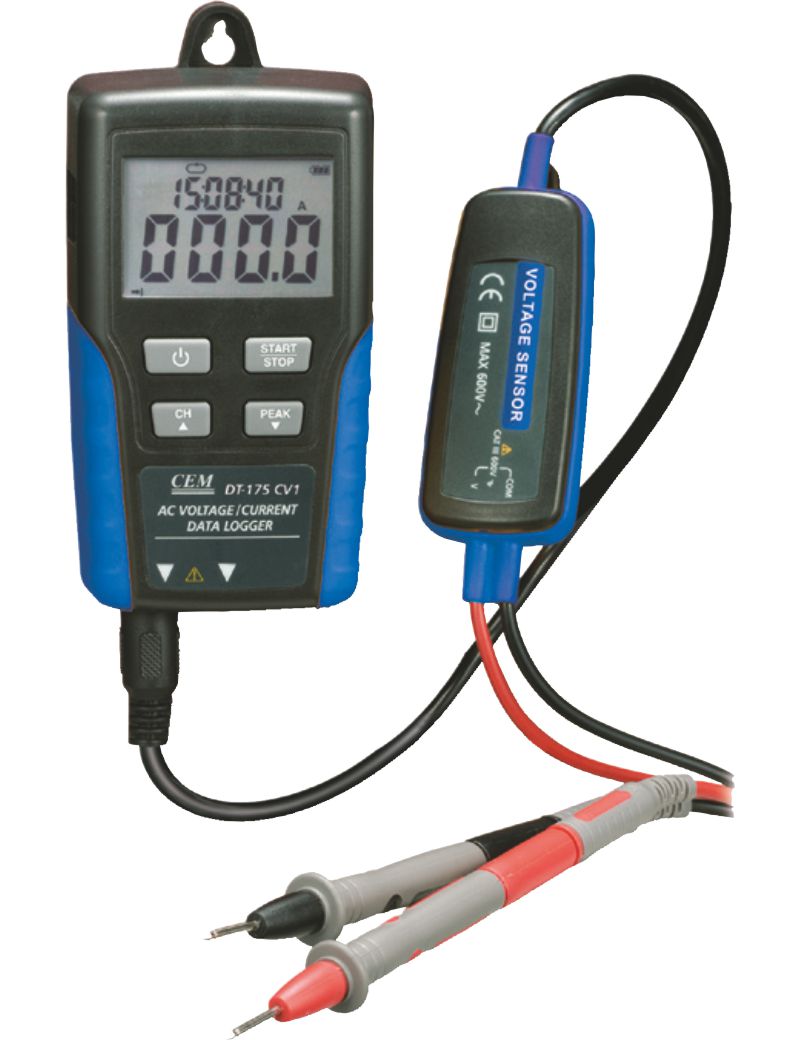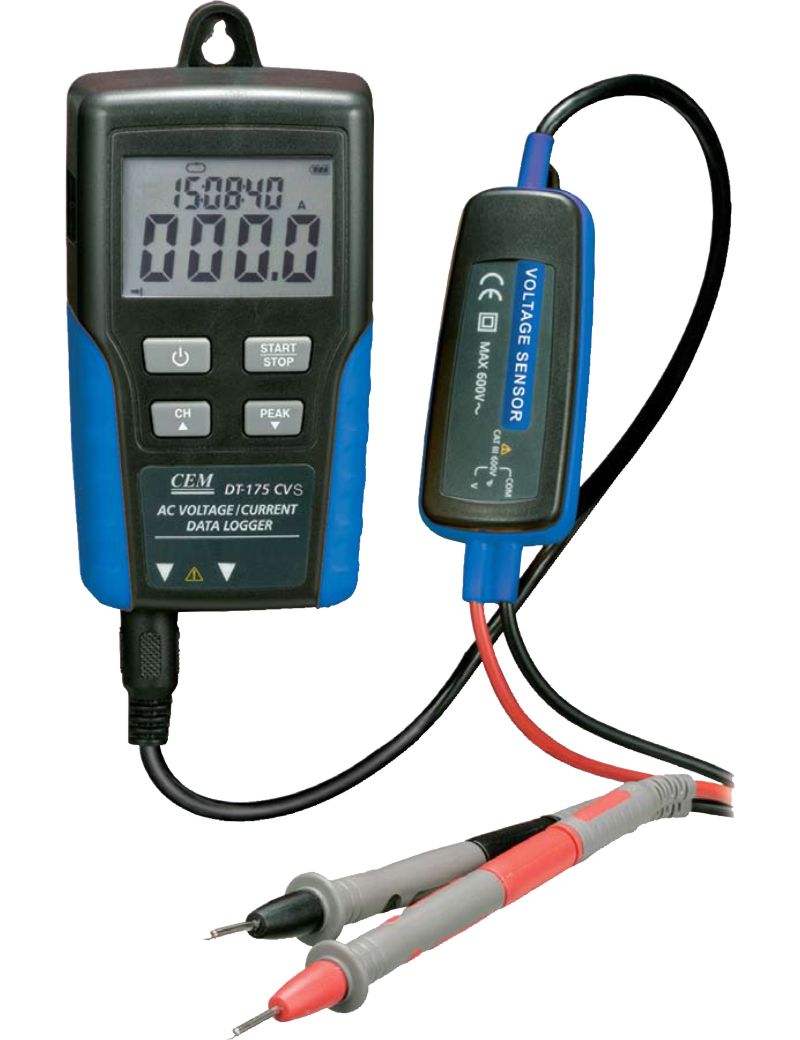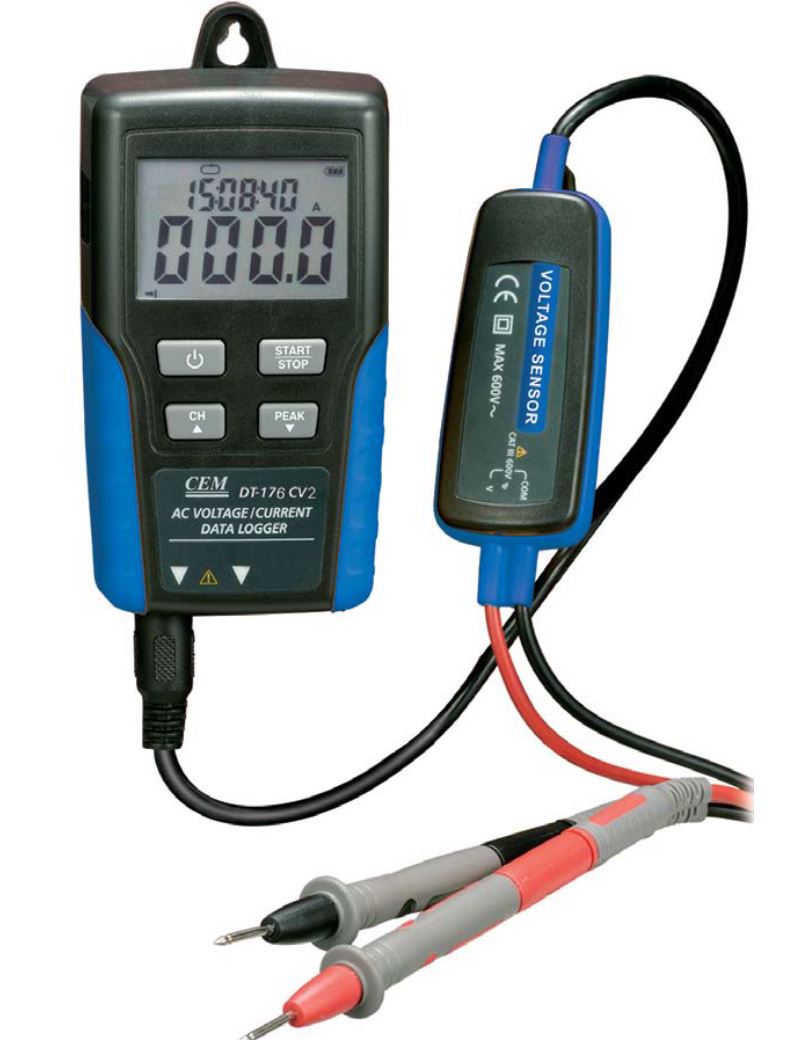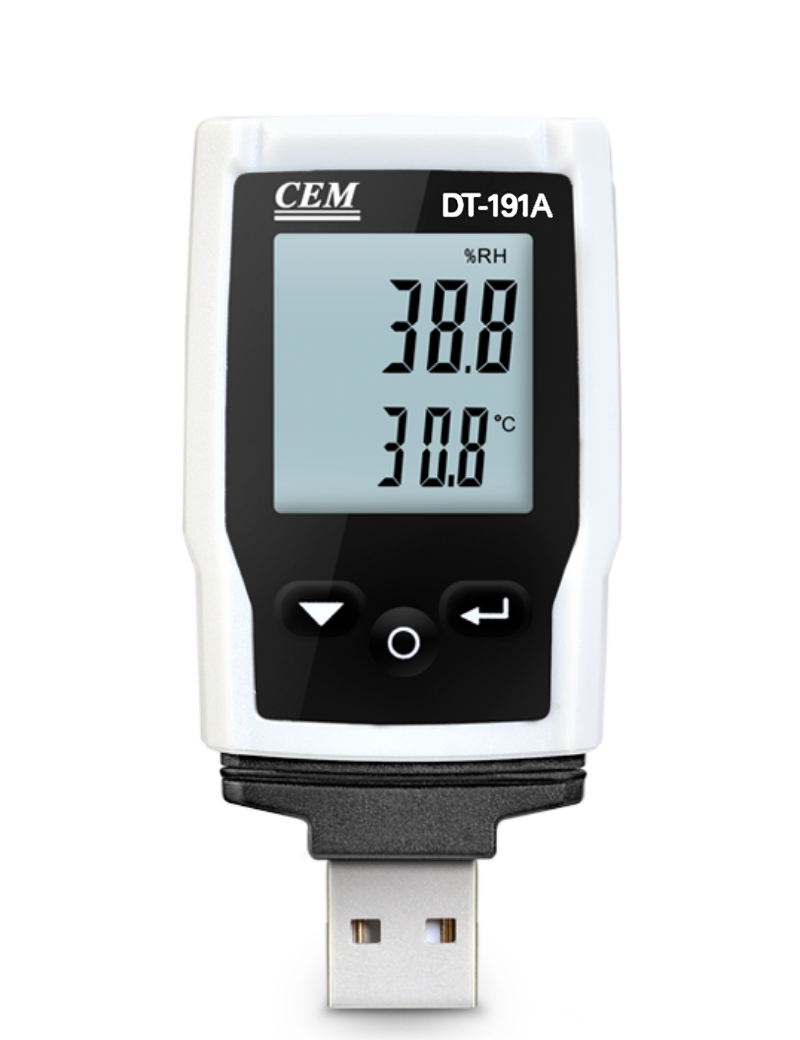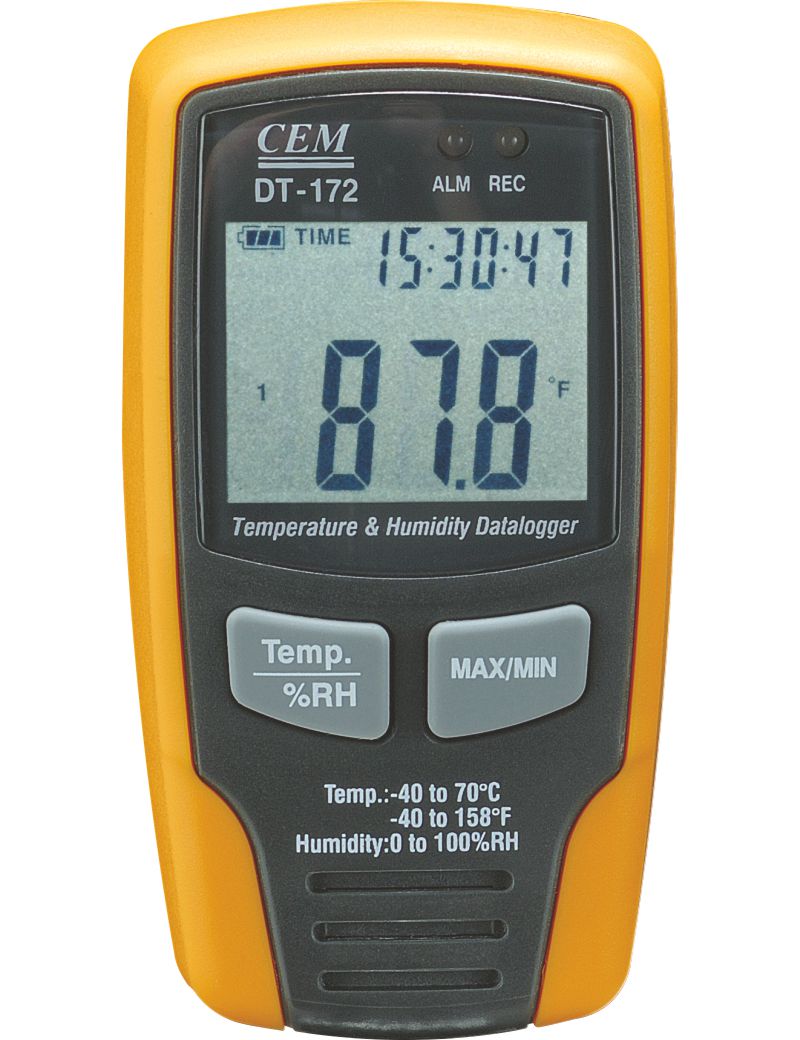
The CEM DT-172 is a smart data logger with internal sensors for both humidity and temperature. All values are shown in the display, that is present, max., min. and time. The logger is perfect for many different applications like office environment or temperature controlled transportation or clean rooms. The loggings are stamped with time and date and the large memory enables logging of 16,000 data sets.
In the software alarms limits can be programmed and the loggings are easily transferred and printed as graph or list.
The CEM DT-172 is delivered ready to use with battery, wall mount, software, USB cable and manual.
The installation process itself is a study in contrasts, offering multiple paths each with its own philosophy. The most straightforward method is automatic: upon detecting a missing or outdated driver, Windows 10 will often attempt to fetch it via Windows Update. For the average user, this is the ideal solution—a silent, background fix that requires no technical knowledge. However, this convenience comes with a caveat. Microsoft’s generic "High Definition Audio Device" driver, while reliable, often disables proprietary hardware features like surround sound virtualization, noise suppression, or advanced equalizer settings offered by manufacturers like Realtek, IDT, or Conexant.
Beyond the technical steps, the audio driver install saga reveals a deeper truth about the user’s relationship with their machine. For the novice, it is a moment of panic, a search for online forums filled with cryptic commands. For the enthusiast, it is a routine maintenance task, an opportunity to eke out slightly better latency or audio fidelity. And for the IT professional, it is a diagnostic flowchart: check physical connections, then the driver, then the Windows Audio service, then the registry. The humble driver sits at the intersection of all these experiences.
At its core, an audio driver is a translation program. It acts as an intermediary between the complex, electronic language of the sound card—whether a dedicated internal chip or a simple codec on the motherboard—and the high-level requests of the operating system. When a user clicks "play" on a Spotify track or a YouTube video, Windows 10 sends a generic command. The driver’s job is to convert that command into precise, low-level instructions that tell the digital-to-analog converter (DAC) exactly how to vibrate the speaker cone. Without the correct driver, the hardware and software speak entirely different languages, resulting in the dreaded red "X" over the speaker icon in the system tray.