万众期待:全新简谱模式强力上线!
Guitar Pro研发团队深知「简谱」之于中国用户的重要性,在经过几个月的测试和开发,最新的Guitar Pro软件已全面支持简谱功能!会带给您音乐学习和创作的极大便利。
只需直接在五线谱或六线谱上编辑,即可轻松谱写自己的乐章。所有与吉他及其他弦乐器有关的常用音乐符号都可为你所用。
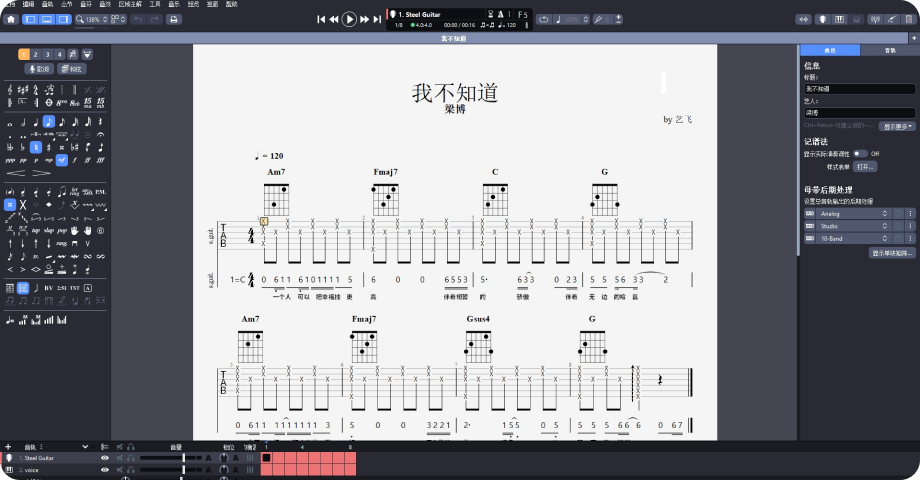
 简谱记谱法支持 NEW
简谱功能的加入使得软件更加贴合国内吉他爱好者的使用习惯,让吉他弹唱谱的制作更加简单和方便。
 自定义您的乐谱
 根据经典或爵士风格,您可以设置70个不同的参数,并完全按照自己的想法调整乐谱的布局,获得出版级的纸质打印输出。
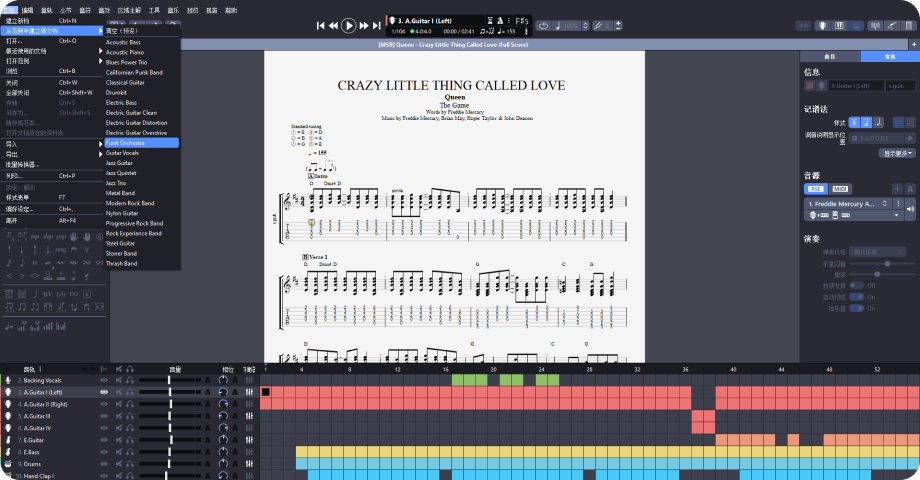
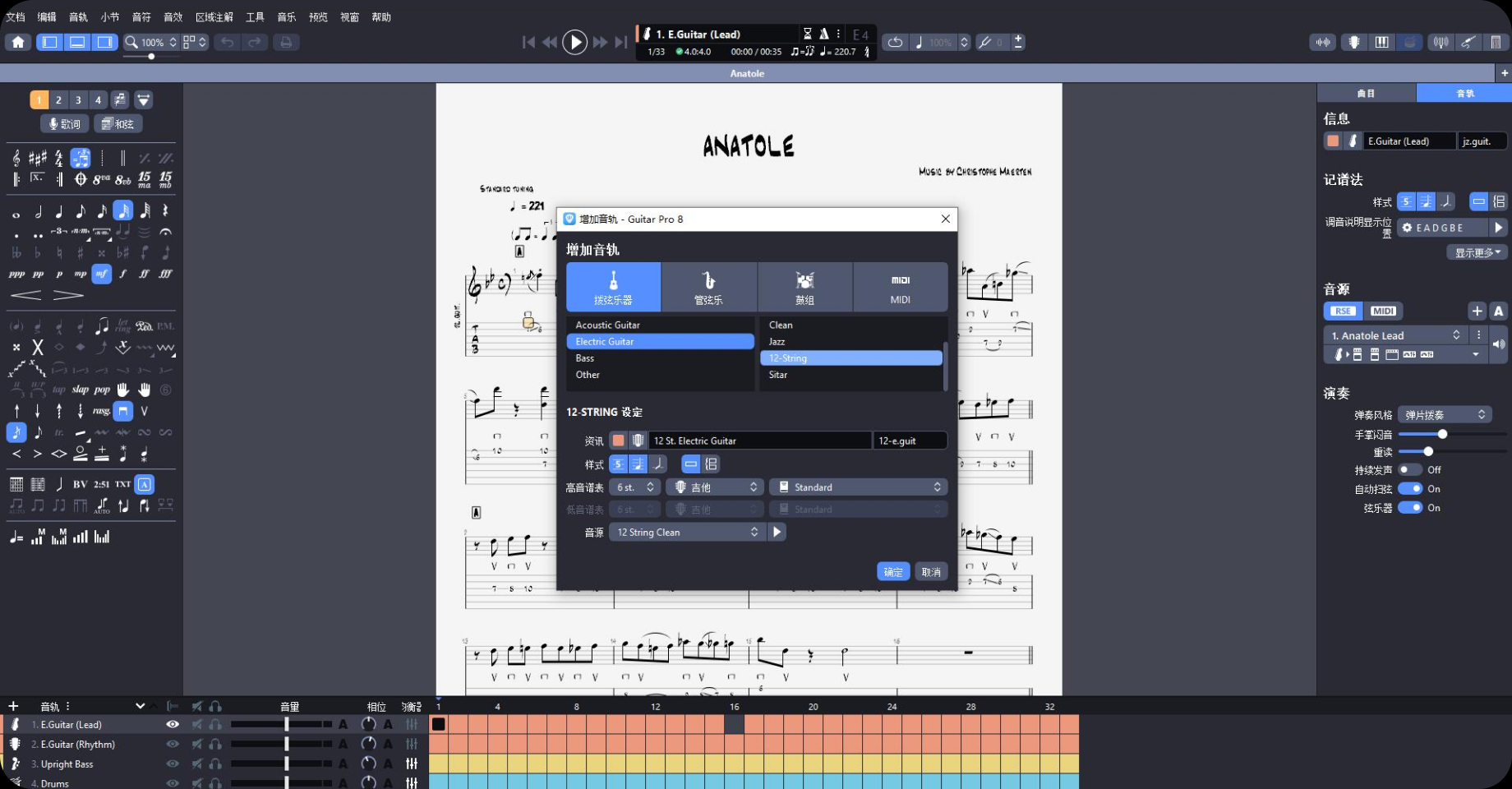
 创建多轨乐谱
 在多轨乐谱下,您可以使用吉他,贝司,尤克里里,鼓,钢琴,人声,弦乐,铜管等数十种乐器创建乐谱。
 记谱法符号
记谱法符号 轻松一点,吉他和其他弦乐器有关的所有常用音乐符号,即可添加到乐谱中。
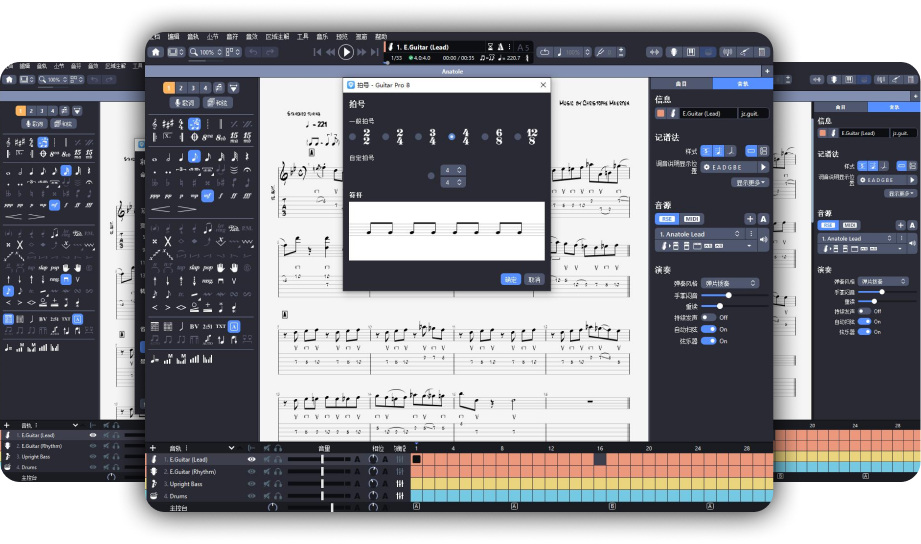
作曲工具,创作得心应手
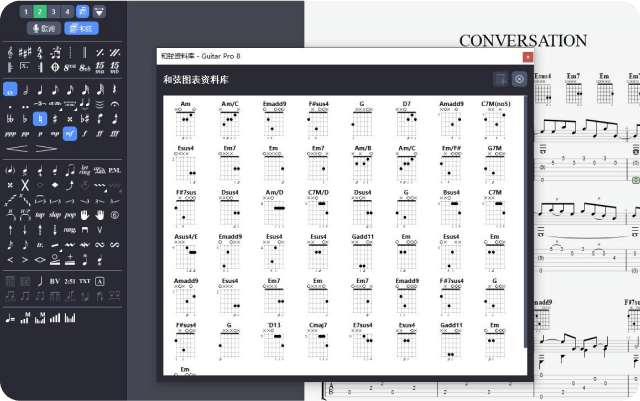
查询任何和弦,Guitar Pro会在指板上显示所有可能的和弦位置。您还可以通过点击和弦网格绘制和弦,看到所有匹配的名字。
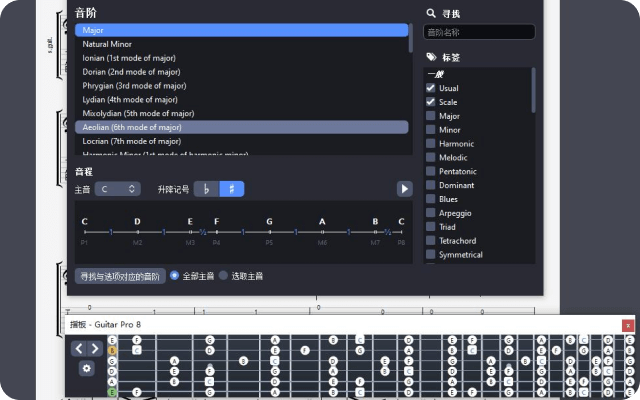
查看和试听丰富的各类音阶。所选音阶可以显示在指板上或钢琴上,帮助您创作歌曲,写独奏或旋律。
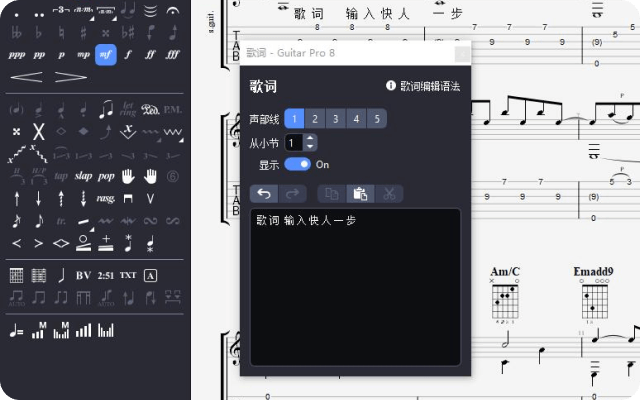
输入歌词后,自动放在音轨的底部。您还可以添加注释来指出 riff(连复段) 或独奏。
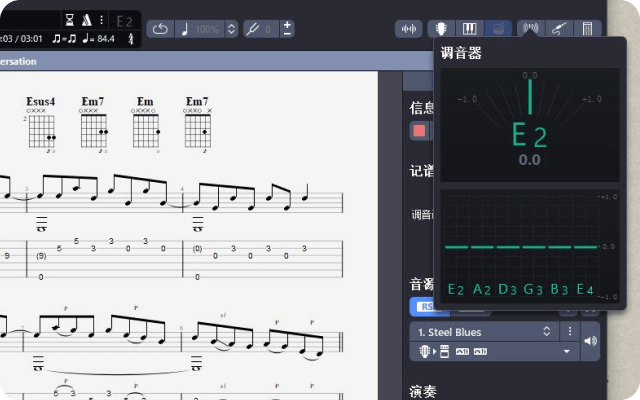
调音器允许您通过麦克风来调整吉他。只需一次扫弦,您就可以了解六根琴弦的音准状态。
直观易用的虚拟乐器
您可以从虚拟乐器的图示中查看和输入音符。它可以显示当前时间的音符,当前小节的音符或选定音阶的音符。
是初学者或打谱爱好者的理想助手。
聆听 Guitar Pro RSE 声音引擎
{{list[isPlay].name}}
 {{list[isPlay].time}}
{{item.name}}
{{item.time}}
Guitar Pro是为
像您这样的音乐家而生的
Few questions in seasonal reckoning are as deceptively simple as “What months are autumn?” At first glance, one might confidently answer “September, October, November” (in the Northern Hemisphere) or “March, April, May” (in the Southern Hemisphere). However, the true answer is layered, varying depending on whether you consult an astronomer, a meteorologist, a farmer, or a cultural tradition. Autumn, also known as fall, is not a fixed date on all calendars but a dynamic period defined by sunlight, temperature, and ecological change. This long-form exploration will dissect the different ways we assign months to autumn, the science behind each system, and the subtle beauty of a season that refuses to be pinned down to a single three-month block. The most common conflict in defining autumn’s months comes from two authoritative sources: astronomy and meteorology. Both are valid, but they serve different purposes.
Moreover, autumn is not uniform across even a single month. The September of meteorological autumn can feel like lingering summer (the “second summer” or Indian summer). The November of that same system can bring snow flurries more akin to winter. The astronomical autumn’s December days—before the solstice—often hold some of the season’s most dramatic leaf falls and first hard frosts. So, what months are autumn? For the most widely accepted, practical, everyday answer: September, October, and November in the Northern Hemisphere; March, April, and May in the Southern Hemisphere. This is the meteorological definition used by weather services, schools, and most commercial calendars. what months are autumn
The Celtic calendar, which heavily influences modern Neopagan celebrations like Mabon and Samhain, divided the year into two primary seasons (summer and winter), with autumn as a transitional period. However, the traditional Gaelic festival of Lughnasadh (August 1) marked the beginning of the harvest season, and Samhain (November 1) marked the end of harvest and the start of winter. Under this lens, “autumn” as a distinct season spanned August, September, and October —with August being the early harvest, September the main harvest, and October the final gathering before the dark half of the year. Few questions in seasonal reckoning are as deceptively
But honor the complexity. When someone says “autumn,” they might mean the astronomical transition from equinox to solstice, the ancient harvest months of August through October, or the crisp, ephemeral feeling of a single October afternoon. The true months of autumn are not just marks on a page—they are the weeks when the light slants gold, the air smells of smoke and damp earth, and the world prepares for a long quiet. And that feeling can begin in late August and linger into early December, regardless of what any calendar insists. This long-form exploration will dissect the different ways
In traditional East Asian culture, the year is divided into 24 solar terms. Autumn begins with Lìqiū (“Start of Autumn”), which usually falls around August 7 or 8 , and ends with Shuāngjiàng (“Hoar Frost Descends”) in late October, leading into Lìdōng (“Start of Winter”) around November 7. Thus, in the Chinese system, autumn effectively occupies August, September, and October —a full month earlier than the meteorological definition.
产品
支持
关于
广告联盟
联系客服
© 2026 Green Bridge





 400-8765-888