Why do we feel a tiny thrill of rebellion when we consider jumping a turnstile? Because the gate represents controlled flow . It is the physical embodiment of "terms of service." To pass through legitimately is to acknowledge a rule: you paid, you have an appointment, you belong here.
At first glance, it is a humble contraption: a trio of horizontal bars, a sleek glass flap, or a squat, waist-high tripod. We call it a turnstile gate. We rush through it on our morning commute, grumble when our bag gets stuck, or tap a card against its sensor without a second thought. But look closer. The turnstile is not merely a gate; it is a silent accountant, a patient bouncer, and a profound piece of social engineering all rolled into one.
So the next time you tap your card and hear that satisfying ker-chunk , pause for a moment. You haven’t just opened a gate. You have participated in a quiet ritual of order, validated a transaction, and added your single unit to the great, silent count of human movement. The turnstile doesn't just open for you. It counts you. And in a crowded world, being counted is often the only way to get through.
Modern turnstiles have evolved into optical marvels. Using beams of infrared light, they can detect a person’s leg, a rolling suitcase, or even someone trying to tailgate inches behind a paying customer. The "waist-high" optical turnstile has become the standard in corporate lobbies and subway stations. It’s less about brute force and more about psychological pressure: no one wants to be the person who sets off the screeching alarm.
MASSAGE
SEND
×The message has been sent!
In the near future we will reply to you.
Regards WDS
|
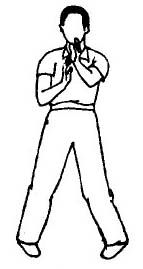
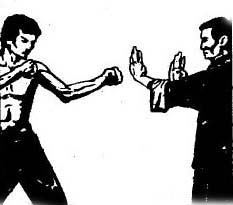
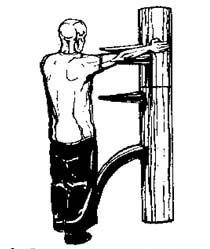
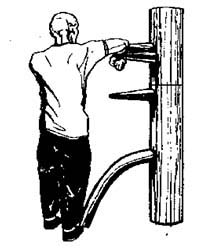
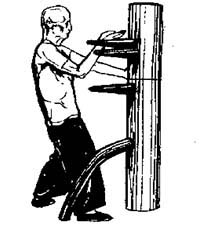
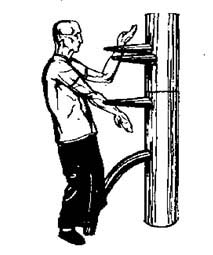
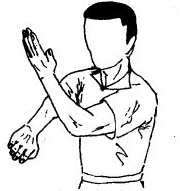
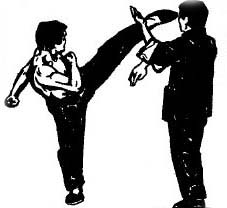
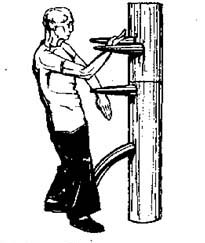
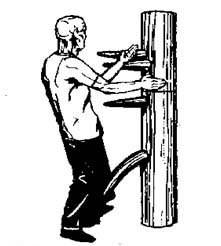
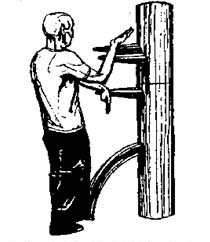
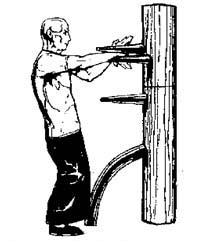
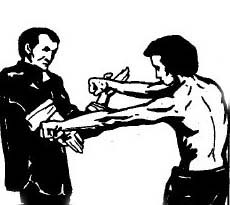
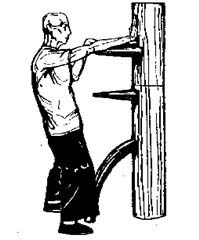
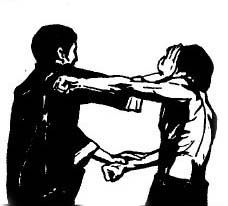
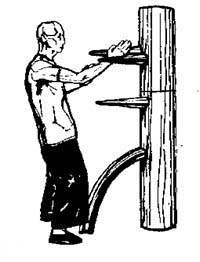
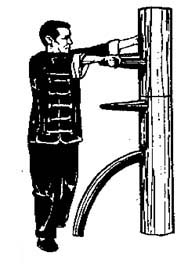
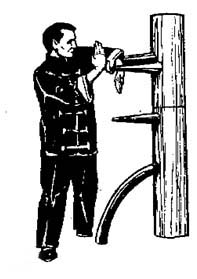
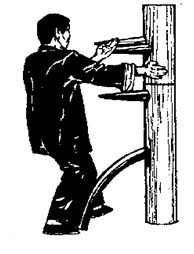
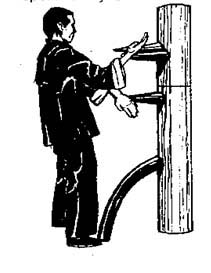
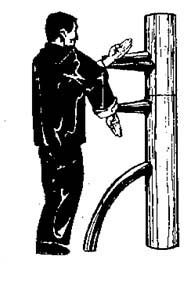
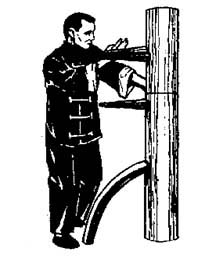
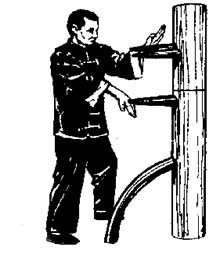
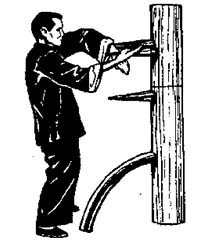
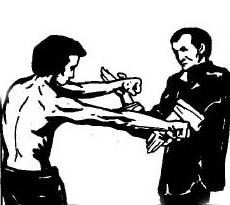
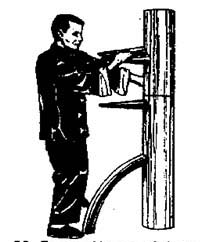
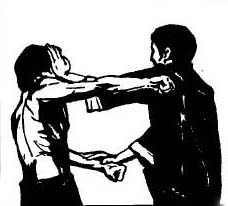
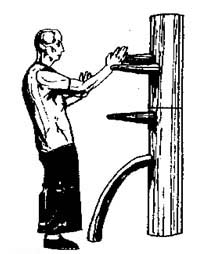
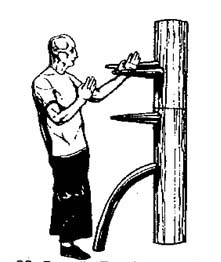
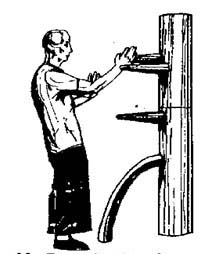
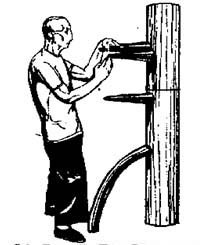
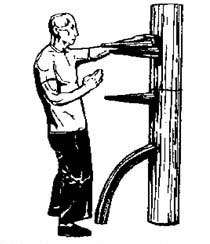
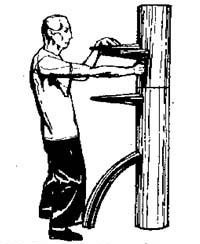
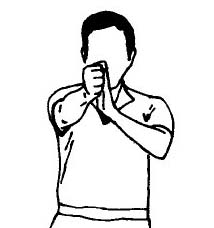
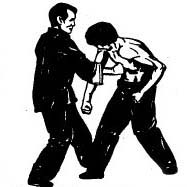
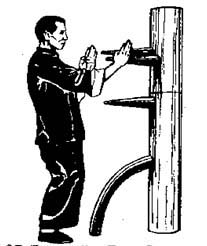
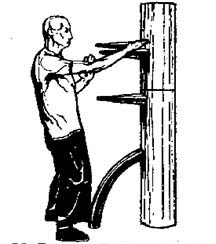
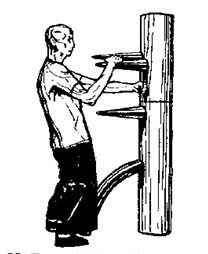
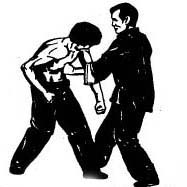
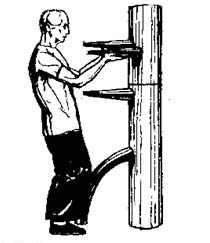
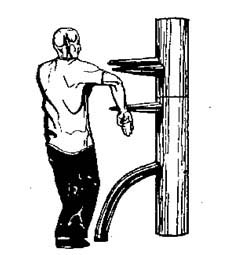
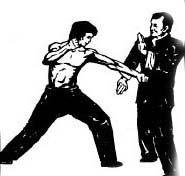
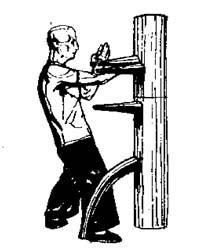
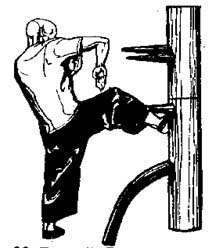
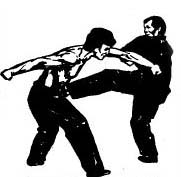
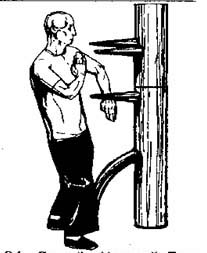
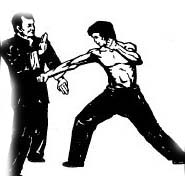
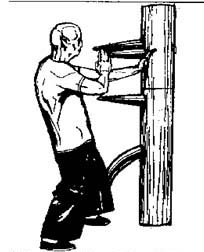
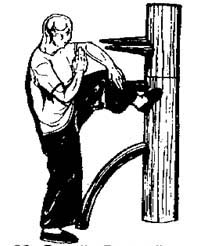
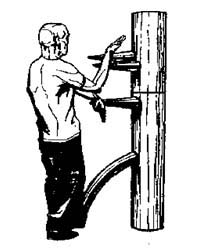
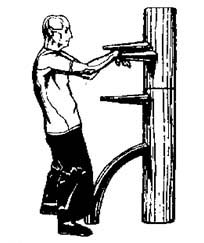
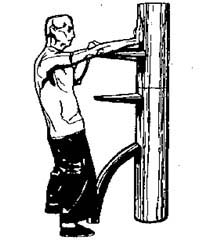
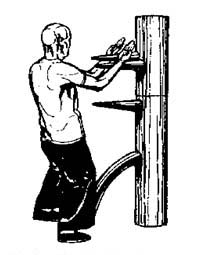
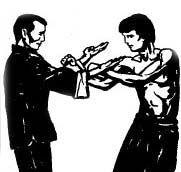
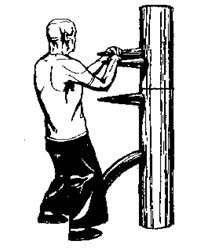
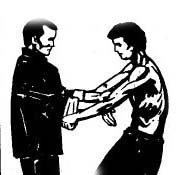
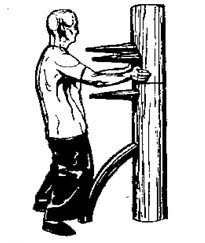
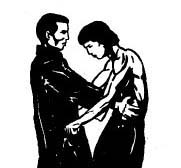
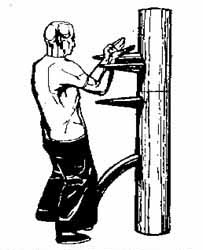
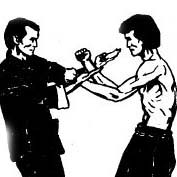
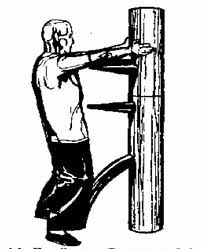
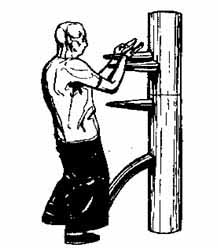
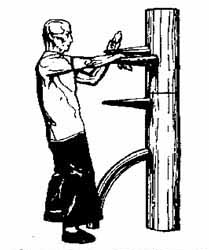
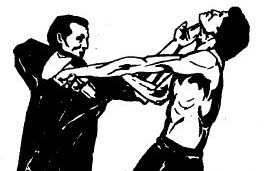
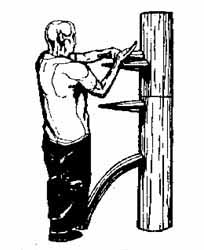
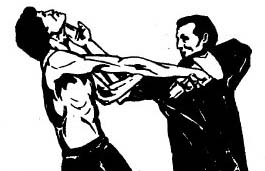
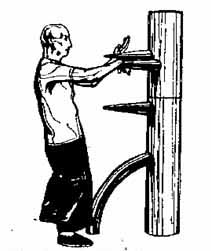
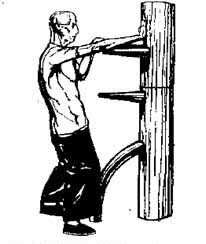
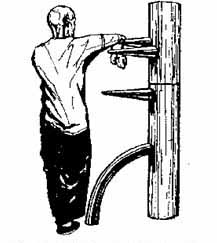
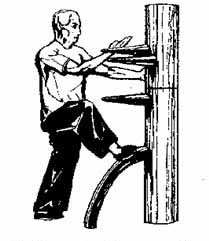
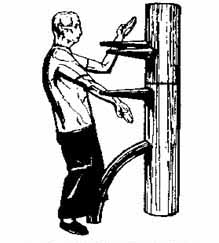
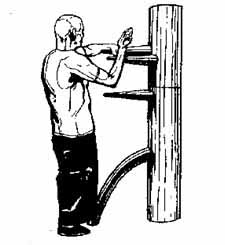
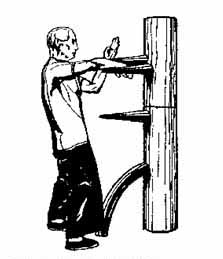
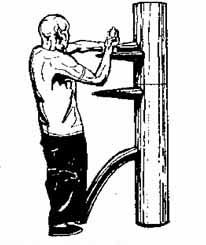
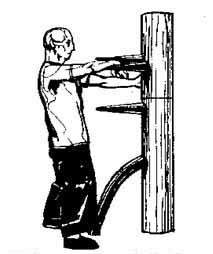
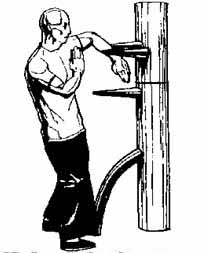
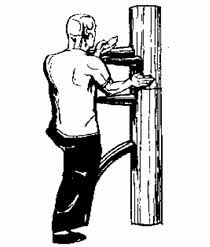
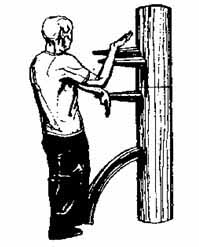
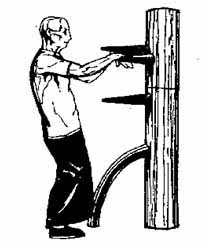
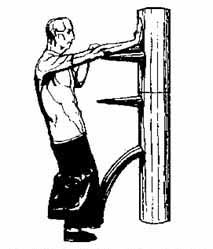
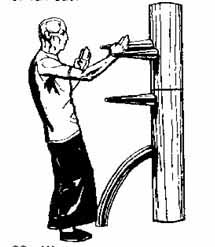
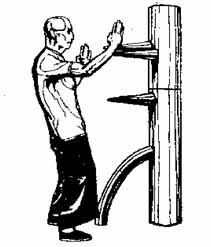
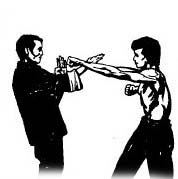
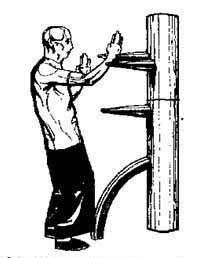
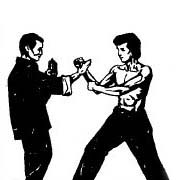
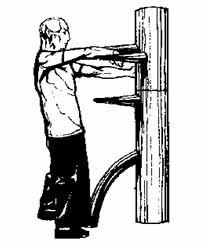
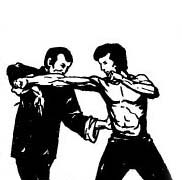
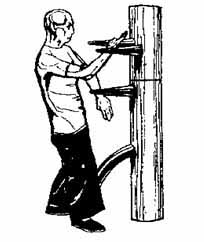
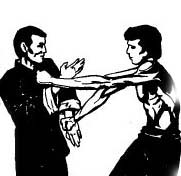
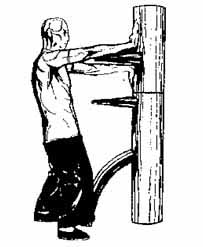
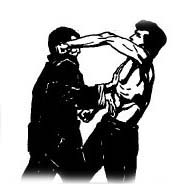
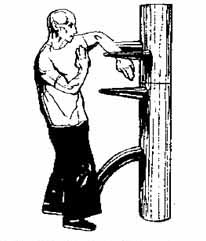
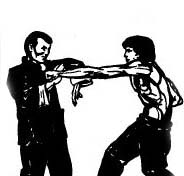
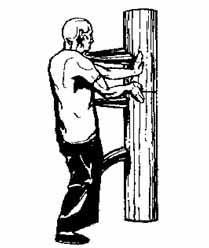
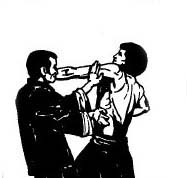
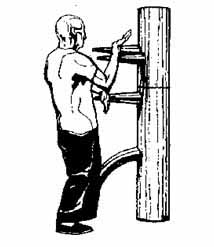
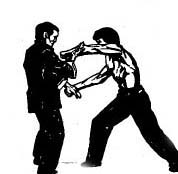
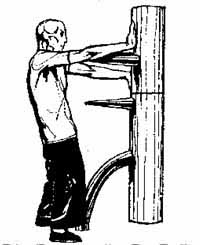
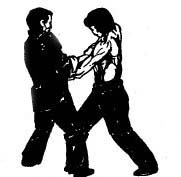
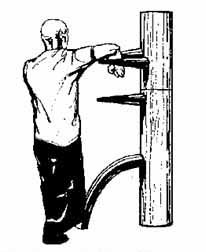
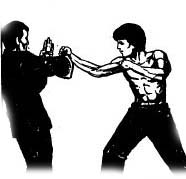
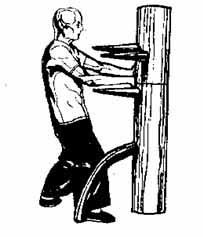
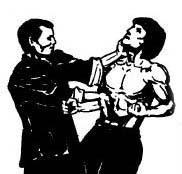
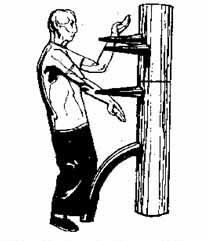
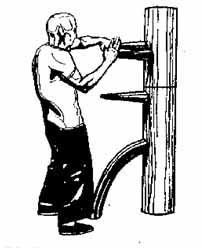
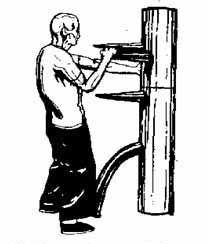
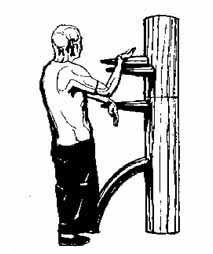
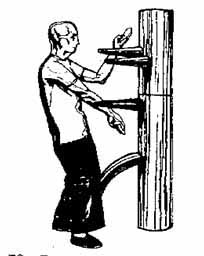
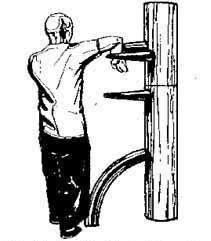
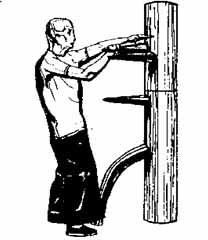
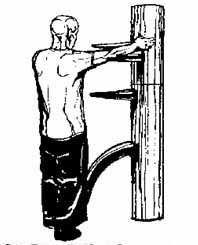
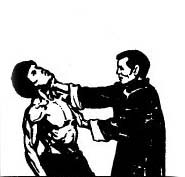
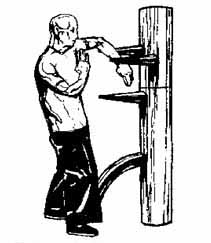
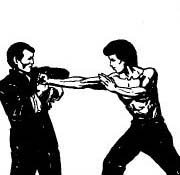
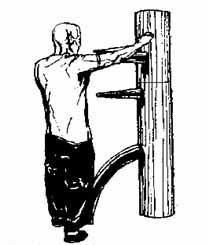
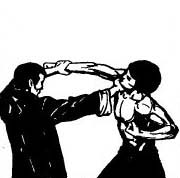
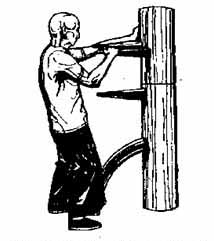
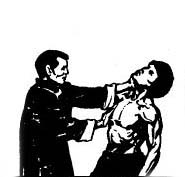
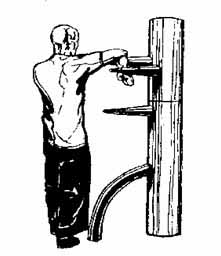
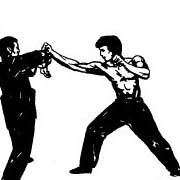
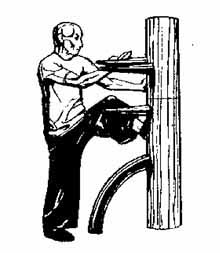
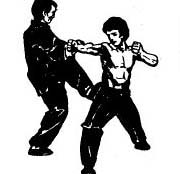
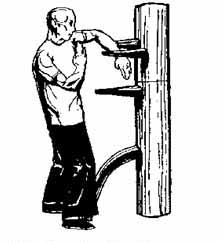
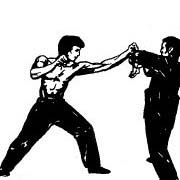
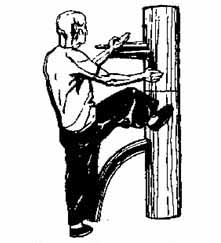
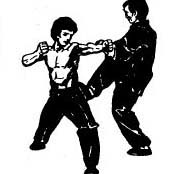
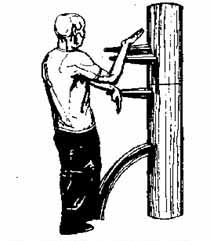
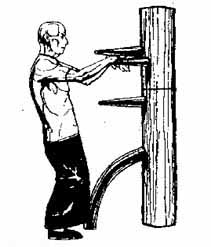
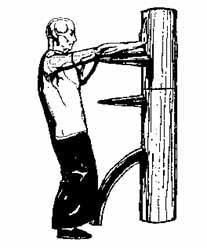
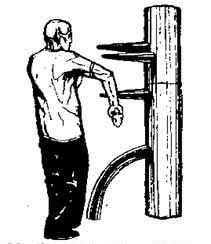
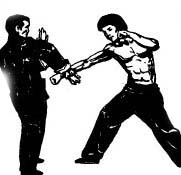
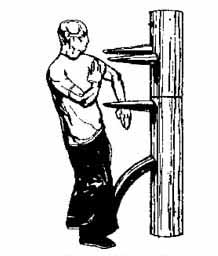
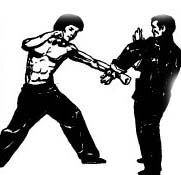
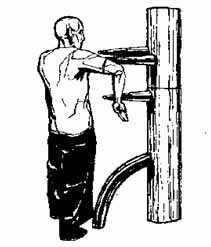
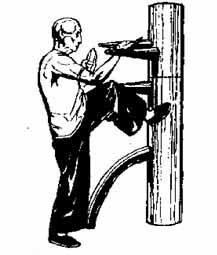
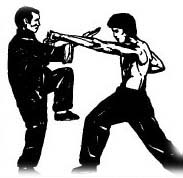
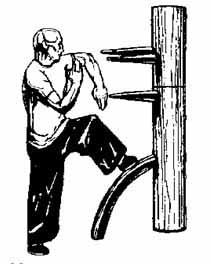
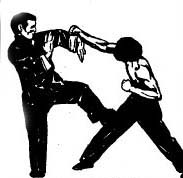
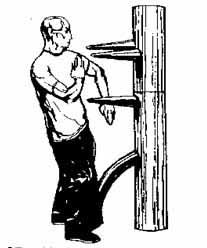
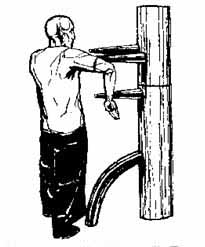
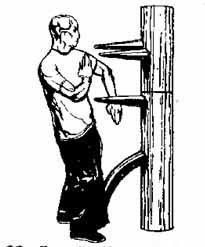
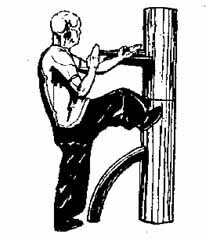
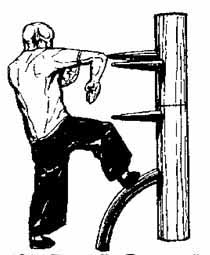
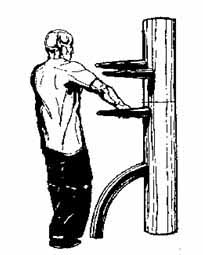
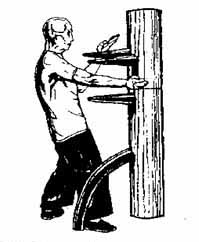
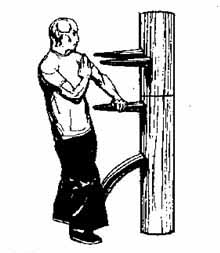
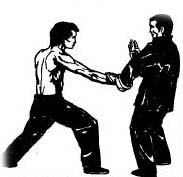
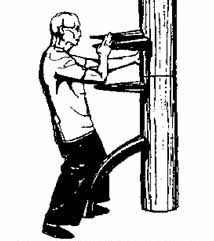
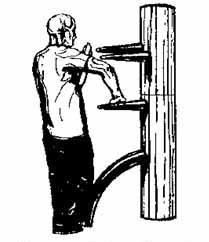
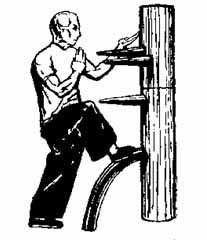
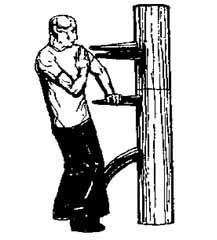
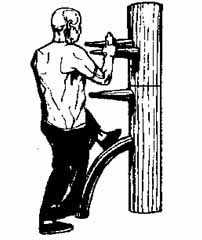
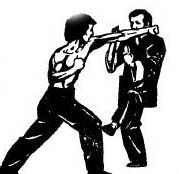
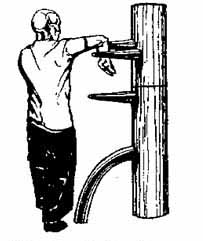
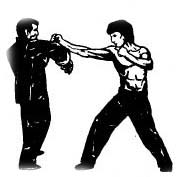
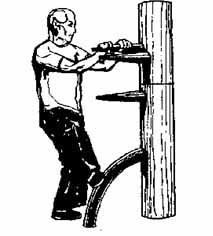
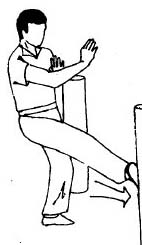
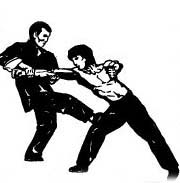
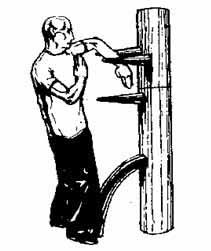
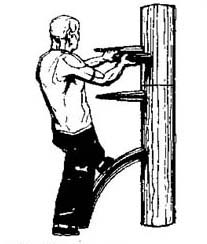
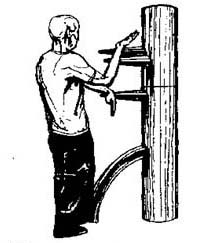
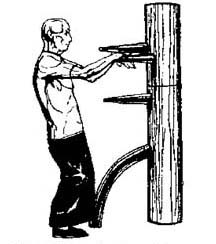
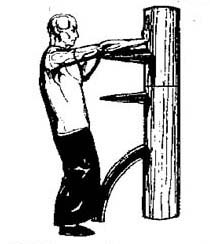
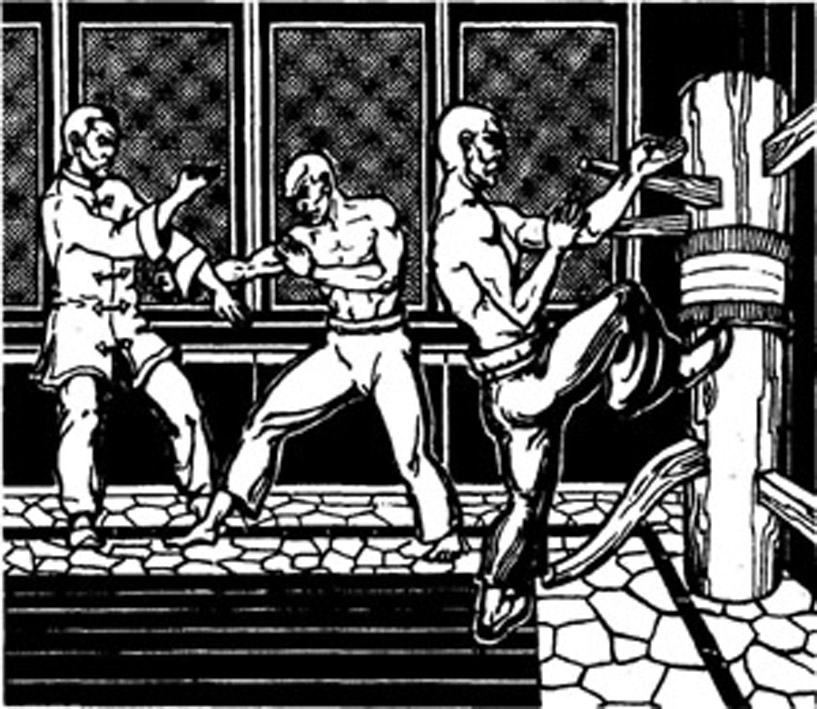
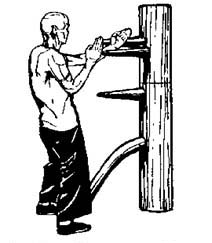
The Dummy - a versatile design, the system of life and knowledge generated of nowhere. The story of the dummy requires a separate investigation and treatment of the ancient treatises, and primary sources. But enough evidence to suggest that the history of a WD the longer of Wing Chun history as an independent style. Will there be a dummy to before create a Wing Chun or Wing Chun has appeared before - difficult to resolve the problem, which requires special studies.
|
| SECTION 1 | ||
![]() |
![]() |
![]() |
![]() |
![]() |
![]() |
![]() |
![]() |
![]() |
![]() |
![]() ![]() |
![]() |
![]() |
![]() |
![]() |
![]() |
![]() ![]() |
![]() |
![]() |
![]() ![]() |
![]() |
![]() |
![]() |
![]() |
![]() |
![]() |
![]() |
![]() |
Â
![]() |
![]() |
| SECTION 2 | ||
![]() |
![]() |
![]() |
![]() |
![]() |
![]() |
![]() |
![]() |
![]() |
![]() |
![]() ![]() |
![]() |
![]() |
![]() |
![]() |
![]() |
![]() ![]() |
![]() |
![]() |
![]() ![]() |
![]() |
![]() |
![]() |
![]() |
![]() |
![]() |
![]() |
![]() |
![]() |
![]() |
| SECTION 3 | ||
![]() |
![]() |
![]() |
![]() |
![]() |
![]() |
![]() |
![]() |
![]() |
![]() |
![]() |
![]() |
![]() |
![]() |
![]() |
![]() |
![]() ![]() |
![]() |
![]() |
![]() |
![]() |
![]() |
![]() |
![]() |
![]() |
![]() ![]() |
![]() |
![]() |
||
| SECTION 4 | ||
![]() |
![]() |
![]() |
![]() |
![]() |
![]() |
![]() |
![]() |
![]() |
![]() |
![]() |
![]() |
![]() |
![]() ![]() |
![]() |
![]() |
![]() |
![]() |
![]() |
![]() |
![]() |
![]() |
![]() |
![]() |
![]() |
Â
![]() |
![]() |
| SECTION 5 | ||
![]() |
![]() ![]() |
![]() |
![]() |
![]() ![]() |
![]() |
![]() |
![]() ![]() |
![]() |
![]() |
![]() ![]() |
![]() |
![]() |
![]() ![]() |
![]() |
![]() |
![]() ![]() |
![]() |
![]() |
![]() |
![]() |
![]() |
![]() |
![]() |
![]() |
![]() |
![]() |
![]() |
Â
![]() |
![]() |
![]() |
![]() |
![]() |
![]() |
![]() |
![]() |
![]() |
![]() |
![]() |
![]() |
![]() |
![]() |
![]() |
![]() |
![]() |
![]() |
![]() |
![]() |
![]() |
![]() ![]() |
![]() |
![]() |
![]() |
![]() |
![]() |
![]() ![]() |
![]() |
![]() |
![]() |
![]() |
![]() |
![]() |
![]() |
![]() |
Â
![]() |
![]() |
| SECTION 6 | ||
![]() |
![]() |
![]() |
![]() |
![]() |
![]() |
![]() |
![]() Â |
![]() |
![]() |
![]() |
![]() |
![]() |
![]() Â |
![]() |
![]() |
![]() ![]() |
![]() |
![]() |
![]() |
![]() |
![]() |
![]() ![]() Â |
![]() |
![]() |
![]() |
![]() |
![]() |
![]() ![]() Â |
![]() |
![]() |
![]() |
![]() |
![]() |
![]() ![]() Â |
![]() |
![]() |
![]() |
![]() |
![]() |
![]() |
![]() |
![]() |
![]() |
![]() |
| SECTION 7 | ||
![]() |
![]() |
![]() |
![]() |
![]() |
![]() |
![]() |
![]() |
![]() |
![]() |
![]() ![]() |
![]() |
![]() |
Â
![]() |
![]() |
![]() |
![]() |
![]() |
![]() |
![]() ![]() |
![]() |
![]() |
 Â
![]() |
![]() |
![]() |
![]() |
![]() |
![]() |
![]() ![]() |
![]() |
![]() |
![]() |
![]() |
![]() |
![]() ![]() |
![]() |
![]() |
![]() |
![]() |
![]() |
![]() |
![]() |
![]() |
Â
![]() |
![]() |
| SECTION 8 | ||
![]() |
![]() |
![]() |
![]() |
![]() |
![]() |
![]() |
![]() |
![]() |
![]() |
![]() ![]() |
![]() |
![]() |
![]() |
![]() |
![]() |
![]() |
![]() |
![]() |
![]() |
![]() |
![]() |
![]() |
![]() |
![]() |
![]() ![]() |
![]() |
![]() |
![]() |
![]() |
![]() |
![]() |
![]() |
![]() |
![]() ![]() |
![]() |
![]() |
![]() |
![]() |
![]() |
![]() ![]() |
![]() |
![]() |
![]() |
![]() |
![]() |
![]() ![]() |
![]() |
![]() |
![]() |
![]() |
![]() |
![]() ![]() |
![]() |
![]() |
![]() |
![]() |
![]() |
![]() ![]() |
![]() |
![]() |
![]() |
![]() |
![]() |
 Â
![]() |
![]() |
![]() |
![]() |
![]() |
![]() |
![]() |
![]() |
![]() |
Â
![]() |
![]() |
Why do we feel a tiny thrill of rebellion when we consider jumping a turnstile? Because the gate represents controlled flow . It is the physical embodiment of "terms of service." To pass through legitimately is to acknowledge a rule: you paid, you have an appointment, you belong here.
At first glance, it is a humble contraption: a trio of horizontal bars, a sleek glass flap, or a squat, waist-high tripod. We call it a turnstile gate. We rush through it on our morning commute, grumble when our bag gets stuck, or tap a card against its sensor without a second thought. But look closer. The turnstile is not merely a gate; it is a silent accountant, a patient bouncer, and a profound piece of social engineering all rolled into one. turnstile gate
So the next time you tap your card and hear that satisfying ker-chunk , pause for a moment. You haven’t just opened a gate. You have participated in a quiet ritual of order, validated a transaction, and added your single unit to the great, silent count of human movement. The turnstile doesn't just open for you. It counts you. And in a crowded world, being counted is often the only way to get through. Why do we feel a tiny thrill of
Modern turnstiles have evolved into optical marvels. Using beams of infrared light, they can detect a person’s leg, a rolling suitcase, or even someone trying to tailgate inches behind a paying customer. The "waist-high" optical turnstile has become the standard in corporate lobbies and subway stations. It’s less about brute force and more about psychological pressure: no one wants to be the person who sets off the screeching alarm. At first glance, it is a humble contraption: