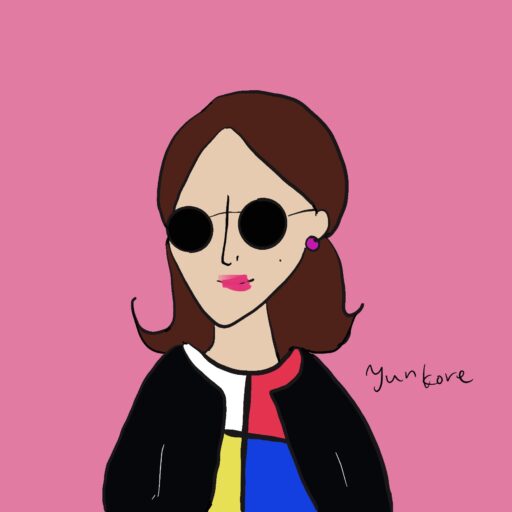
Severina Vuckovic May 2026
As one of her most famous lines goes: "Nije ljubav stvar, nije to nikakva roba" (Love is not a commodity, not a piece of merchandise). Neither is Severina Vučković. She is an experience, a provocation, and finally—an unbreakable phoenix rising from the ashes of a divided land.
She had weaponized her own violation. In a region where women in the public eye are often destroyed by such scandals, Severina emerged stronger. She became an accidental icon of resilience—a woman who refused to be shamed into silence. Severina has never been just an entertainer. In the Balkans, pop stardom is inherently political. She has been criticized for performing for wartime generals and for the nationalist HDZ party. Yet she has also championed LGBTQ+ rights, appearing in a same-sex kiss in a music video long before it was safe to do so. She has spoken out against hate speech, even as her own fanbase includes nationalists and progressives in uneasy coexistence. severina vuckovic
But the 1990s were not a time of innocence. As war tore apart Yugoslavia, Severina navigated the newly independent Croatia’s cultural identity. She refused to be pigeonholed into nationalist kitsch or pure Western pop. Instead, she began to do something subversive: she borrowed. She took Serbian folk rhythms, Bosnian sevdah, and Macedonian brass, then fused them with slick Europop production. In doing so, she created a soundtrack for a generation that was exhausted by ethnic division and just wanted to dance. To call her a "turbo-folk" star is both accurate and reductive. In Croatia, that label is often used as an insult—a slur suggesting Serbian influence. Yet Severina embraced it. Her 2006 album "Zdravo Marijo" (Hail Mary) was a masterpiece of this hybrid sound. The title track, a haunting blend of church choir and electronic beat, was a confessional about a toxic love affair. It scandalized conservatives and thrilled critics. As one of her most famous lines goes:
She is not a role model in any neat, sanitized way. She is messy, contradictory, and fiercely authentic. She embodies the Balkan spirit: survival through wit, beauty through pain, and joy as an act of defiance. In a region where history is a wound that keeps reopening, Severina dances on the scar. She had weaponized her own violation