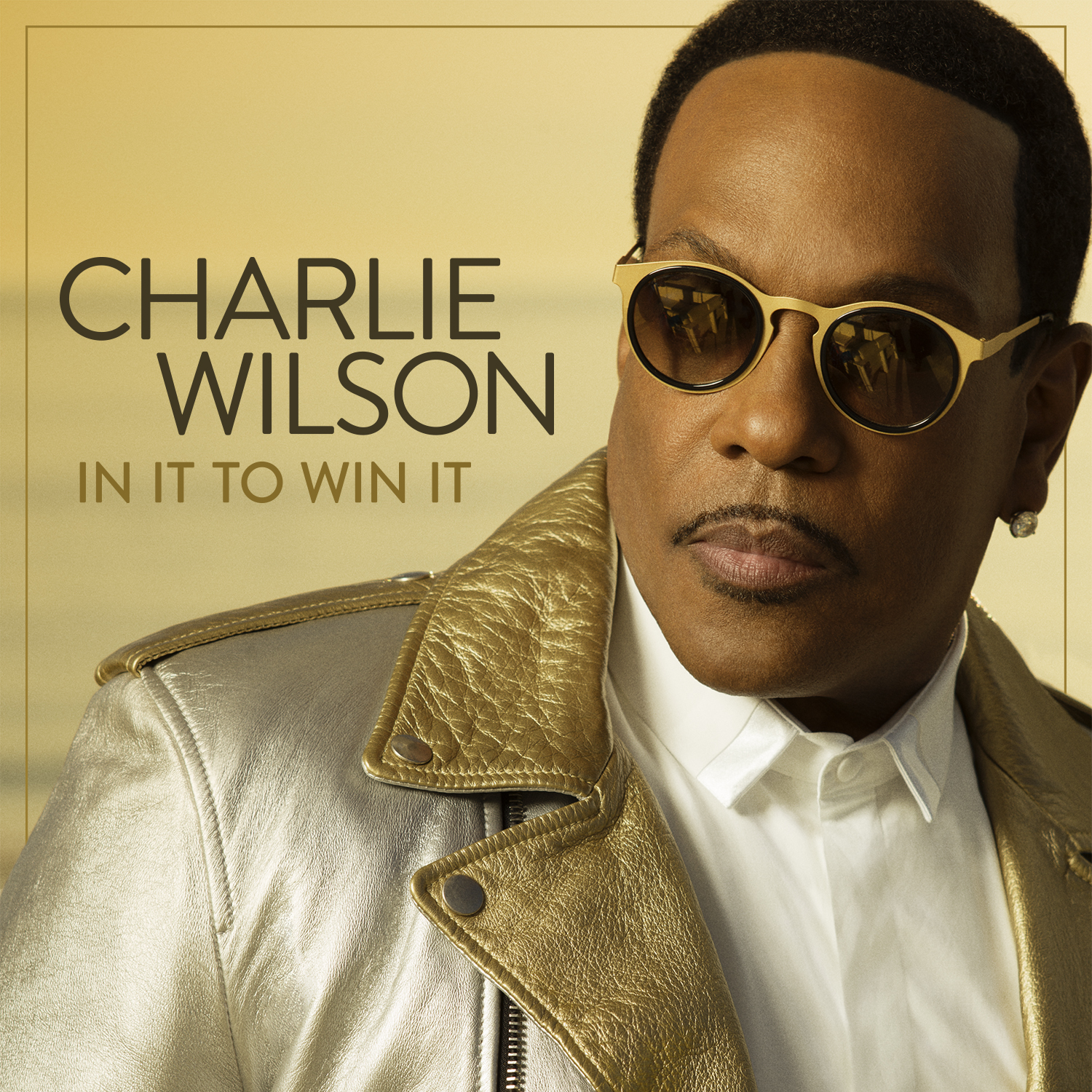
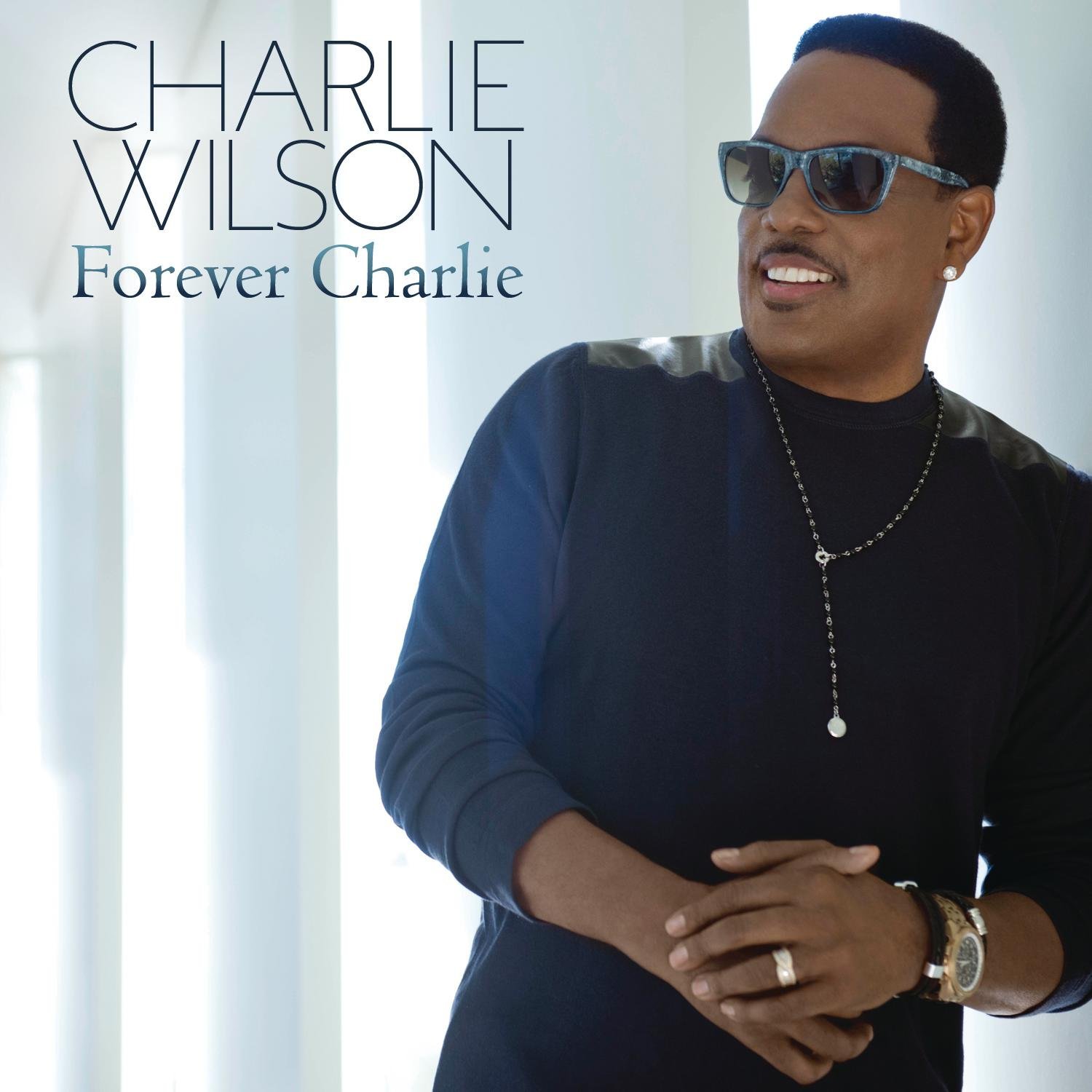
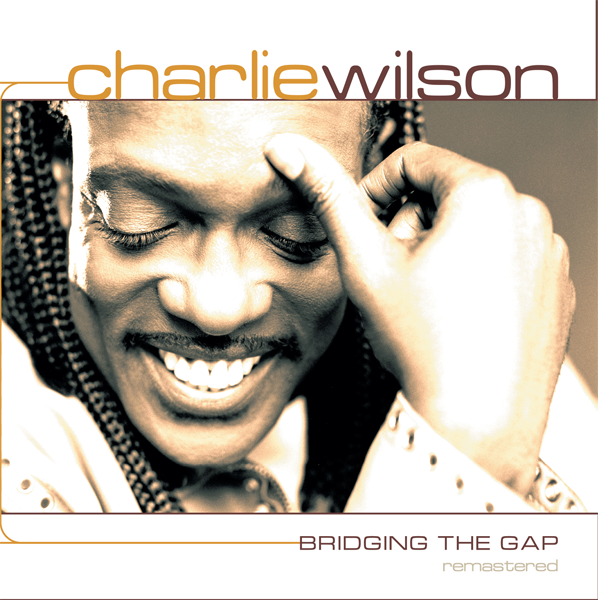
Charlie Wilson Joins ‘We Playin’ Spades’ to Talk Music, Classic Hits, and His Upcoming R&B Cookout Tour
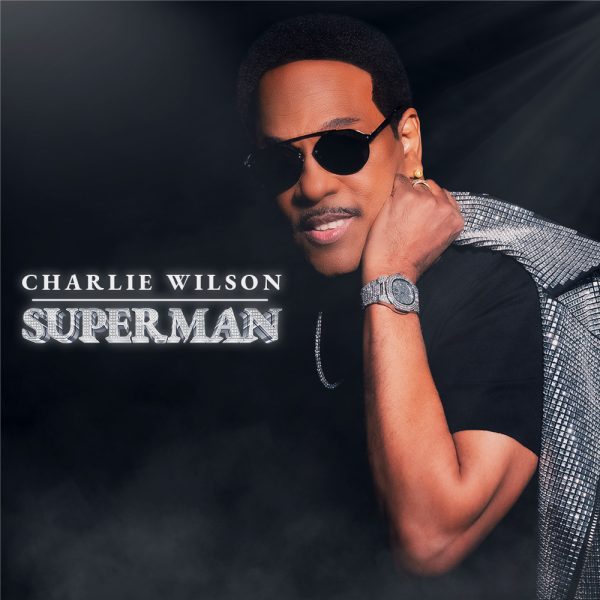
Charlie Wilson joined Nick Cannon and Courtney Bee on the popular “We Playin’ Spades” podcast, where he shared stories from […]
Read More »In every society, there exist certain subjects or behaviors that are considered off-limits, forbidden, or unacceptable. These are what we refer to as taboos. A taboo is a social or cultural prohibition or ban against certain practices or social interactions that are considered objectionable or unacceptable by society at large. When we talk about "pure taboo," we're referring to those subjects or behaviors that are universally seen as off-limits, not just in one culture but across many. The concept of forced taboo, on the other hand, involves the imposition of these restrictions, often leading to a complex interplay of societal norms, personal freedoms, and the consequences of violating these norms.
The Unspoken Truth: Understanding Pure Taboo and Its Forced Consequences pure taboo forced
A forced taboo refers to the situation where the societal prohibition on a certain topic or behavior is not just discouraged but actively enforced, often through social sanctions, legal penalties, or other forms of coercion. This can lead to a stifling of free speech and the imposition of conformity, sometimes under the guise of maintaining social order or protecting societal values. In every society, there exist certain subjects or
Pure taboos and forced taboos present complex challenges to individuals and societies. While they may be rooted in a desire to maintain social order or protect cultural values, their enforcement can have significant consequences on free speech, mental health, and social equality. By fostering open dialogue, education, and advocacy, we can work towards a more inclusive and understanding society where discussions are encouraged, and individuals are supported. When we talk about "pure taboo," we're referring
Pure taboos often revolve around topics that are considered too sensitive, offensive, or dangerous to discuss openly. These can include discussions about sex, certain kinds of violence, death, or any topic that challenges the traditional values or moral codes of a community. The origins of these taboos can vary, stemming from historical, religious, or social reasons. For example, in many cultures, discussing death openly is considered taboo, as it's associated with bad luck or the fear of invoking death.
Charlie Wilson joined Nick Cannon and Courtney Bee on the popular “We Playin’ Spades” podcast, where he shared stories from […]
Read More »
Charlie Wilson joins Amaarae on her highly anticipated new album Black Star, collaborating on the track “Dream Scenario.” The 13-song […]
Read More »
Charlie Wilson’s newest single taps back into his signature feel-good sound with a groove that is perfect for the summer. […]
Read More »
Charlie Wilson brings his signature smooth vocals to country star Scotty McCreery’s new single “Once Upon a Bottle of Wine” […]
Read More »
Charlie Wilson joins Gracie’s Corner, the popular children’s animated sing-along YouTube series for a new song, “Have a Good Time.” Watch […]
Read More »
In every society, there exist certain subjects or behaviors that are considered off-limits, forbidden, or unacceptable. These are what we refer to as taboos. A taboo is a social or cultural prohibition or ban against certain practices or social interactions that are considered objectionable or unacceptable by society at large. When we talk about "pure taboo," we're referring to those subjects or behaviors that are universally seen as off-limits, not just in one culture but across many. The concept of forced taboo, on the other hand, involves the imposition of these restrictions, often leading to a complex interplay of societal norms, personal freedoms, and the consequences of violating these norms.
The Unspoken Truth: Understanding Pure Taboo and Its Forced Consequences
A forced taboo refers to the situation where the societal prohibition on a certain topic or behavior is not just discouraged but actively enforced, often through social sanctions, legal penalties, or other forms of coercion. This can lead to a stifling of free speech and the imposition of conformity, sometimes under the guise of maintaining social order or protecting societal values.
Pure taboos and forced taboos present complex challenges to individuals and societies. While they may be rooted in a desire to maintain social order or protect cultural values, their enforcement can have significant consequences on free speech, mental health, and social equality. By fostering open dialogue, education, and advocacy, we can work towards a more inclusive and understanding society where discussions are encouraged, and individuals are supported.
Pure taboos often revolve around topics that are considered too sensitive, offensive, or dangerous to discuss openly. These can include discussions about sex, certain kinds of violence, death, or any topic that challenges the traditional values or moral codes of a community. The origins of these taboos can vary, stemming from historical, religious, or social reasons. For example, in many cultures, discussing death openly is considered taboo, as it's associated with bad luck or the fear of invoking death.