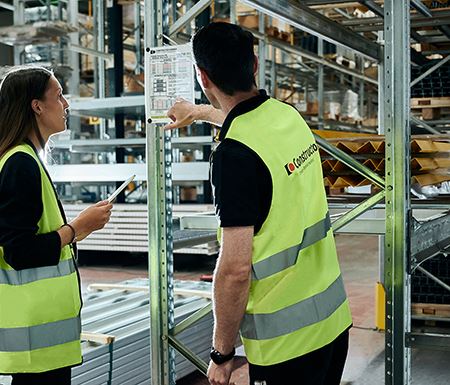
Enligt Arbetsmiljöverket ska ställagekontroll utföras var 12 månad!
När utförde du en Expertbesiktning senast?
The essay, therefore, is not one of destruction but of navigation. The narrative of the "big neon tower" is the story we are sold: that we must climb it, own it, or be crushed by it. But the "tiny square unblocked" tells a different story—one of lateral thinking, of finding the gaps in the system, of prioritizing movement over monument. In the endless platformer of life, the player who fixates on the towering boss loses. The player who focuses on the tiny square’s next jump, and ensures the path is clear, wins.
Opposite this titan stands the "tiny square." The square is the self—the individual consciousness, the browser window of the soul, the small, manageable unit of agency. It is tiny not because it is insignificant, but because it is realistic. The square knows it cannot topple the tower through brute force. Instead, it seeks something more radical: alignment. The square is geometric, rational, and contained. It does not wish to become a tower; it simply wishes to move without friction. big neon tower tiny square unblocked
In the lexicon of modern digital life, few phrases capture the paradoxical essence of the human condition quite like "big neon tower tiny square unblocked." At first glance, it reads like a chaotic line of code or the title of an obscure indie game. Yet, upon closer inspection, it reveals itself as a profound metaphor for the individual’s struggle against overwhelming systems, the desire for clarity amidst sensory chaos, and the universal pursuit of an unobstructed path forward. The essay, therefore, is not one of destruction
Ultimately, the phrase is a quiet manifesto for minimalism in the age of maximalism. It suggests that freedom is not the absence of giants, but the presence of an unobstructed route for the small. To be unblocked is to reclaim one’s time and attention from the neon glow. The big tower may be impressive, but it is the tiny square, moving swiftly and unimpeded, that truly knows the meaning of the word "progress." In the endless platformer of life, the player